July 6, 1997: The Day After Roswell - Colonel Philip J. Corso & William J. Birnes
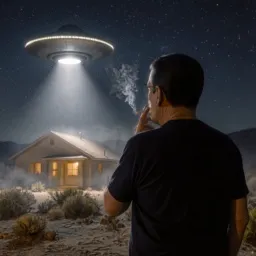
Corso's claims about recovered technology are central to secret-space-program lore. This episode gives the collection its Roswell and reverse-engineering foundation.
Secret space program stories sit where UFO secrecy, NASA suspicion, Mars anomalies, and black-budget technology overlap. Art Bell gave these claims room to breathe while still leaving space for skeptical pressure, which is why the episodes work as a map of the mythology. This guide covers Roswell technology claims, glass tunnels on Mars, astronaut testimony, NASA cover-up allegations, and off-world base speculation without treating any single claim as settled fact. The set is curated from a broader pool of space-secrecy material and links outward to Area 51, disclosure, Mars anomalies, Hoagland, and government conspiracy pages for context.

Corso's claims about recovered technology are central to secret-space-program lore. This episode gives the collection its Roswell and reverse-engineering foundation.

Hoagland moves the topic from Earth secrecy to possible structures on Mars. It is one of the archive's signature examples of NASA imagery becoming late-night evidence.

Edgar Mitchell brings an astronaut's credibility into the larger disclosure conversation. His appearance matters because it keeps the collection from being only about outsider claims.

This is Hoagland in direct NASA-cover-up mode. It is important for understanding why Mars, the Moon, and official space imagery became recurring Art Bell battlegrounds.

David Adair links advanced propulsion claims with Area 51-style secrecy. The episode rounds out the collection with hidden technology and base mythology.
5 episodes
5 episodes
5 episodes
5 episodes
5 episodes