Skip to content
From the High Desert book cover

From the High Desert

A cultural history of Art Bell and the world he broadcast into being.

Available in hardcover, paperback, and Kindle.

Buy on Amazon
Arthur William Bell III

Years

1945–2018

Base

Pahrump, NV

Archive

1,399 shows

Biography

Arthur William Bell III

June 17, 1945 – April 13, 2018 Pahrump, Nevada

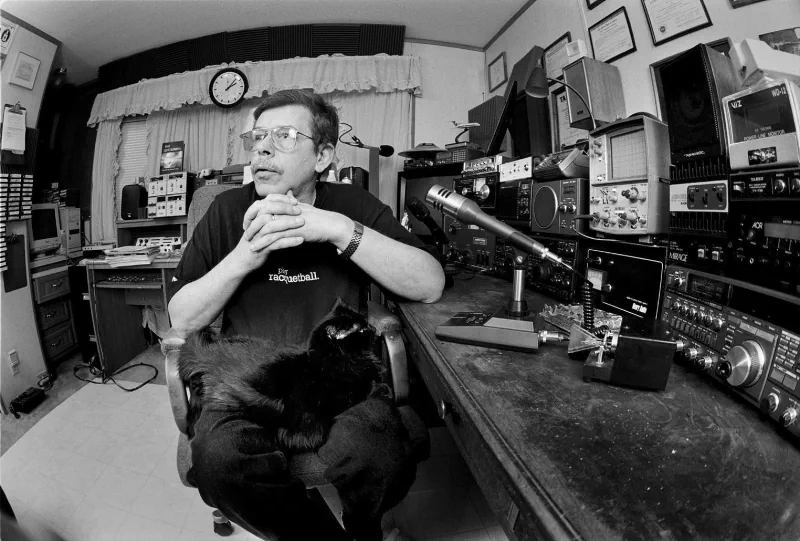
Arthur William Bell III (June 17, 1945 – April 13, 2018) was the broadcaster who made late-night radio feel like a live wire running through the dark. From a home studio in Pahrump, Nevada, he turned Coast to Coast AM into a national ritual: unscreened callers, long-form interviews, strange evidence, dangerous questions, and a host who treated the unknown as something worth hearing out.

Bell began as a radio obsessive and licensed amateur operator before building one of the most recognizable voices in American broadcasting. Coast to Coast AM grew from local Las Vegas talk radio into a syndicated phenomenon heard on hundreds of stations, drawing millions of listeners into conversations about UFOs, ghost phenomena, remote viewing, time travel, fringe science, conspiracies, prophecy, and the outer edges of human experience.

His gift was not simply that he covered strange subjects. It was the way he made the format work: one person at a board, the phone lines open, the desert outside the window, and enough patience to let a story become stranger before judging it. He could be skeptical, playful, fascinated, irritated, moved, and genuinely surprised. That tension is why the broadcasts still work. They are not museum pieces; they still feel like signals arriving in real time.
Why he mattered

He made the unknown feel close enough to call.

Art Bell’s legacy is bigger than any single topic. His achievement was architectural: he built a nightly room where fringe claims, hard science, grief, jokes, fear, wonder, and ordinary people could share the same signal without collapsing into parody.

Browse the archive

The unscreened call

Open Lines made the audience part of the show. Art did not need callers to be polished; he needed them to be interesting. The result was unpredictable radio that could become funny, eerie, moving, or completely unclassifiable in seconds.

The desert studio

Broadcasting from Pahrump mattered. The show sounded physically removed from the media centers that normally decided what was credible. The isolation gave Coast to Coast AM its atmosphere: intimate, nocturnal, and just close enough to Area 51 to feel mythic.

Long-form curiosity

Art gave guests time. Scientists, abductees, whistleblowers, psychics, skeptics, and ordinary witnesses could build a case over hours instead of sound bites. That patience is one reason the archive still rewards deep listening.

A culture before podcasts

Before podcasting made niche long-form audio normal, Art had already shown that millions of people would follow a host into specialized, obsessive, late-night conversations if the voice, pacing, and sense of possibility were strong enough.

Broadcast timeline

The long signal from the high desert

The career does not reduce neatly to a résumé. It moved through local radio, national syndication, sudden exits, unexpected returns, internet-era reinvention, and a final show that became final only afterward.

1945

Born into a military family

Arthur William Bell III was born on June 17, 1945. His later on-air identity kept traces of that background: technical discipline, radio craft, and a lifelong fascination with signals, distance, and what might be heard through the noise.

1960s–1980s

Radio operator, DJ, engineer

Before the national paranormal format, Bell worked across radio and communications: ham radio, rock-and-roll DJ work, engineering, and local broadcasting. The one-man-control-room style came from a lifetime around equipment, timing, and signal.

1993

Coast to Coast AM takes shape

On KDWN in Las Vegas, Bell moved away from ordinary political talk and toward the subjects that made the show unmistakable: UFOs, the paranormal, conspiracies, science at the edge, and the strange testimony of callers after midnight.

1997–1999

The high-heat era

The late 1990s became the archive’s most culturally charged stretch: Area 51, Phoenix Lights, Hale-Bopp, Y2K, remote viewing, Mel’s Hole, disclosure fights, and the feeling that the internet age had made every mystery newly reachable.

1998–2003

Farewells, returns, and a show with a life of its own

Bell left and returned more than once. The departures were not tidy career moves; they were bound up with family crisis, exhaustion, network conflict, and the difficulty of sustaining a nightly phenomenon that millions felt personally attached to.

2013

Dark Matter

Bell returned with Dark Matter on SiriusXM, opening with relief and nerves after years away. The premiere with Michio Kaku was also one of his most personally revealing nights on air.

2015–2016

Midnight in the Desert and the final broadcast

His last era brought the voice back to an internet-native audience. On March 11, 2016, he filled in for one more Open Lines broadcast. There was no staged farewell, just Art talking politics, drones, gravity waves, fear, and strange calls from the night.

2018

Legacy

Art Bell died on April 13, 2018, at his home in Pahrump. The work remains unusually alive because it was built around voices: the host, the guests, and the callers who made the night feel larger than the room they were sitting in.

Archive value

More than a biography, a working map of the broadcasts

A standard biography can tell you who Art Bell was. This page should help you understand the work itself, then move directly into the shows, themes, voices, and moments that made the work matter.

Biography with listening context

The page does not stop at dates and career notes. It points each part of the story back into broadcasts, collections, topics, and guest trails so a visitor can hear the evidence of the legacy.

Chronology that leads somewhere

The timeline works as a map, not a wall of trivia. It gives new listeners the major eras and then sends them into the year archive, the late-1990s peak, the return years, and the final broadcast.

Subject and guest discovery

Art’s work was a network of recurring voices and ideas. The archive connects the biography to Area 51, Open Lines, Ghost to Ghost, Mel’s Hole, Phoenix Lights, remote viewing, and the people who made those subjects vivid.

Respect through preservation

The goal is not to reduce Art Bell to a myth or a fandom slogan. The goal is to preserve the texture of the work: the patience, the skepticism, the jokes, the unease, the callers, and the sound of a host still listening.

Essential listening

Where to hear the legacy, not just read about it

These are not the only important Art Bell broadcasts, but they give new listeners a fast map of the archive: desert UFO mythology, caller folklore, Halloween ritual, open-line chaos, return-era reflection, and the last night at the microphone.

Start here

Bob Lazar, John Lear & Area 51

The desert mythology that became inseparable from Art Bell: S4, reverse-engineered craft, government secrecy, and Area 51 entering the late-night bloodstream.

Caller folklore

Mel’s Hole

A bottomless pit, a recurring caller, and one of the clearest examples of how Art could let a story grow in public until it became radio folklore.

Halloween tradition

Ghost to Ghost

The annual ghost-story ritual: unscreened calls, haunted houses, apparitions, family legends, and the audience taking control of the atmosphere.

The audience at the center

Open Lines

The purest expression of the format: the phone lines open, the night deciding its own subject, and Art making even impossible calls listenable.

Live UFO culture

Phoenix Lights

Coverage of one of the defining mass-sighting events of the 1990s, where witness reports and investigator follow-ups show the archive reacting almost in real time.

Return episode

September 16, 2013: Fate of the Universe - Dr. Michio Kaku

The Dark Matter premiere: Art back at the microphone, visibly nervous and relieved, pairing personal return with big cosmological questions.

Late-era witness

August 3, 2015: Open Lines - Shadow People Stories

A late-career example of Art as both curator and witness, with shadow people moving from listener folklore into his own on-air account.

Last broadcast

March 11, 2016: Open Lines - Art’s Final Show

No grand summation, no formal goodbye. Just Art doing the work: news, technology, politics, impossible questions, and callers from the dark.

Listen next

Art Bell shows and archive paths

The biography is the doorway. The archive follows the work: full episodes, recurring subjects, curated listening guides, and the guests who made late-night radio feel like a map of the unexplained.

Books

Published works4

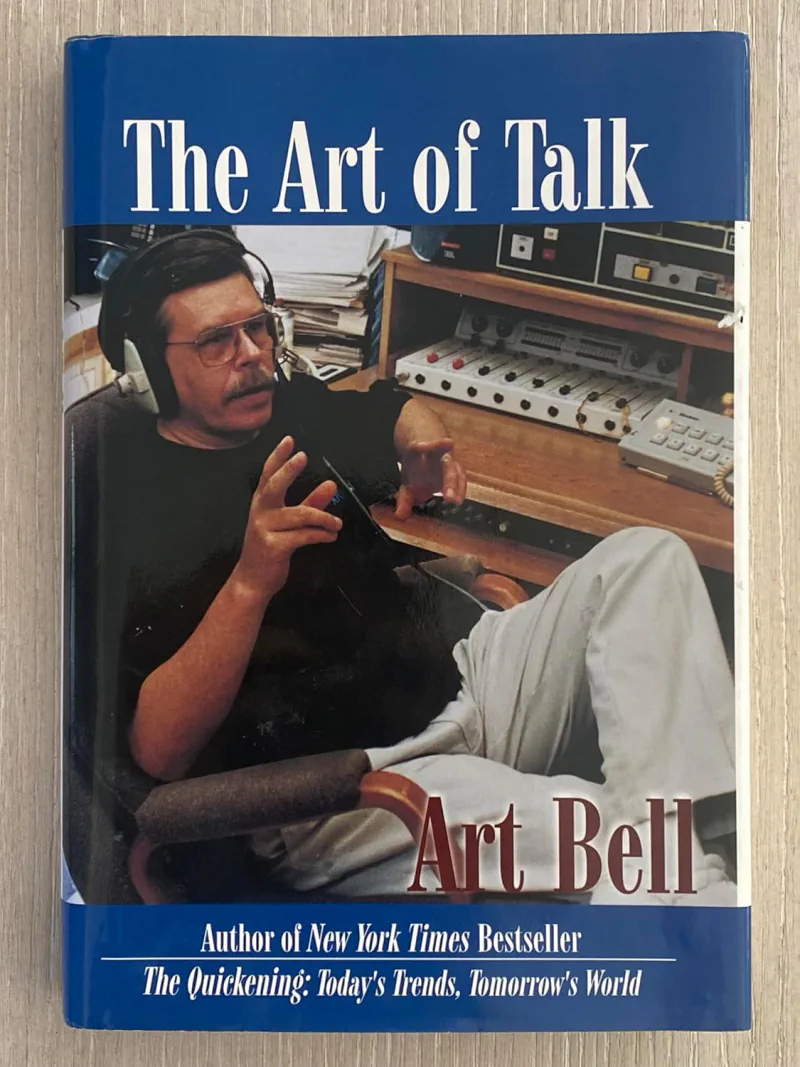
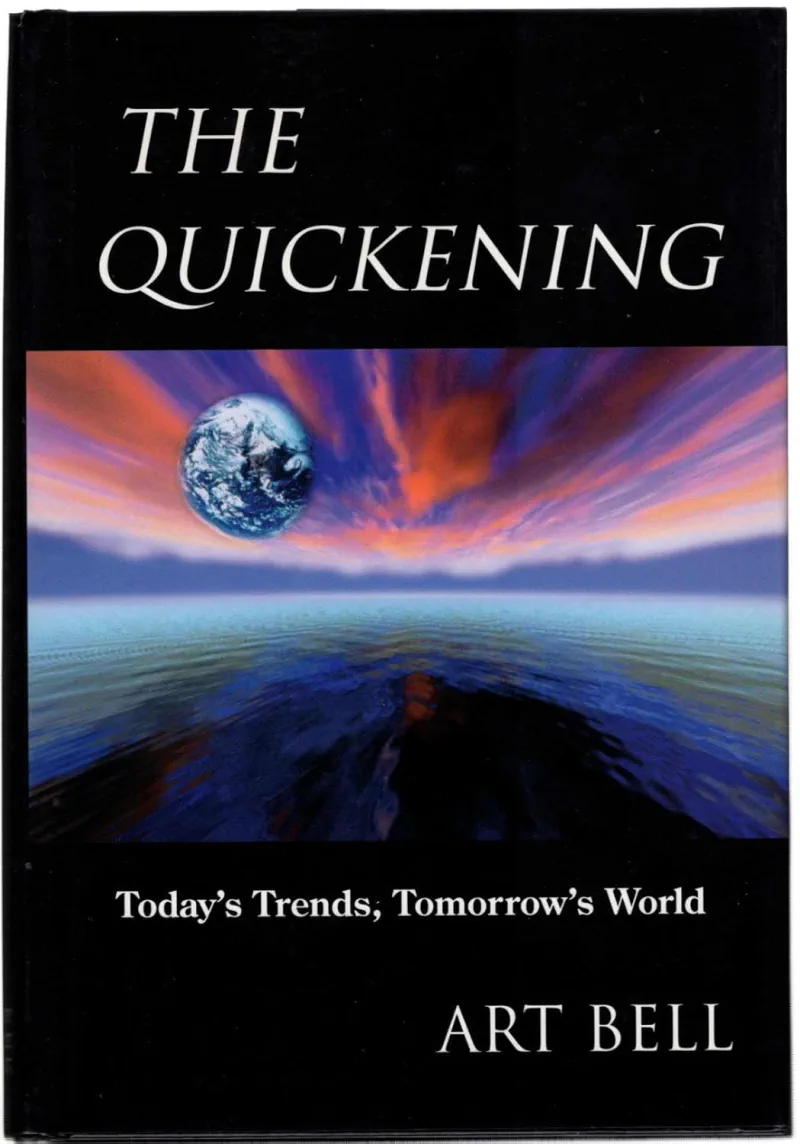
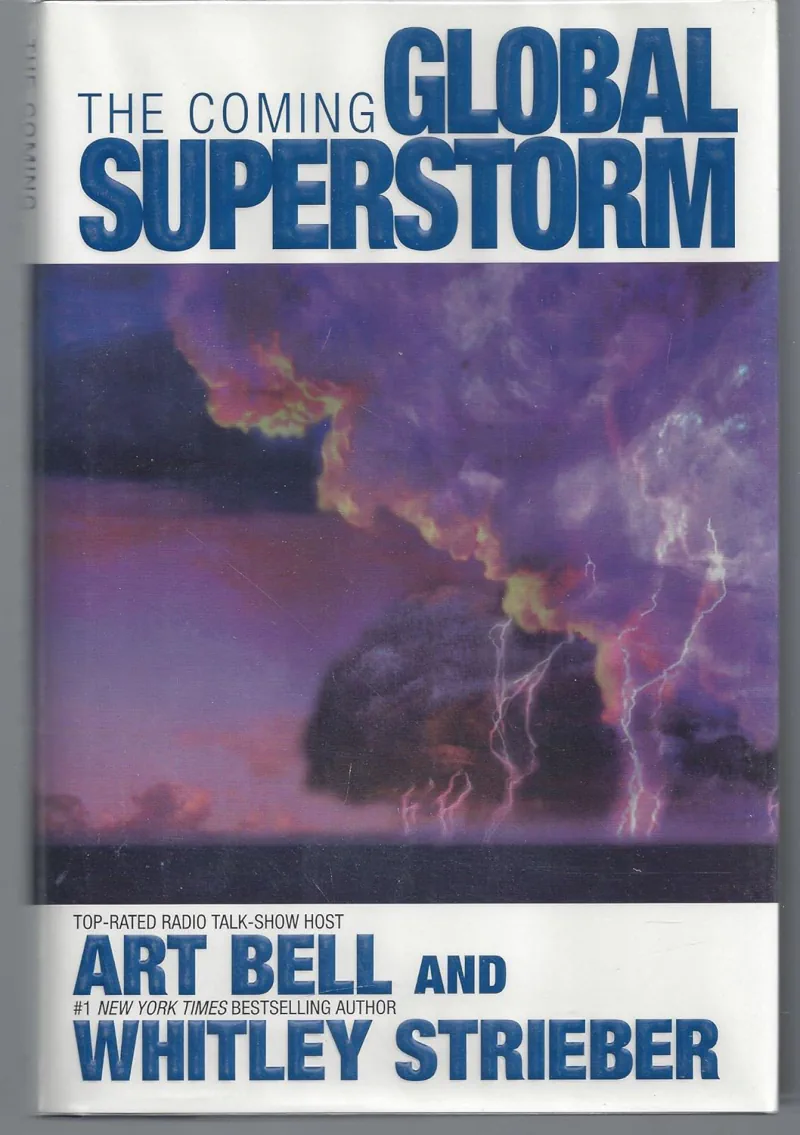
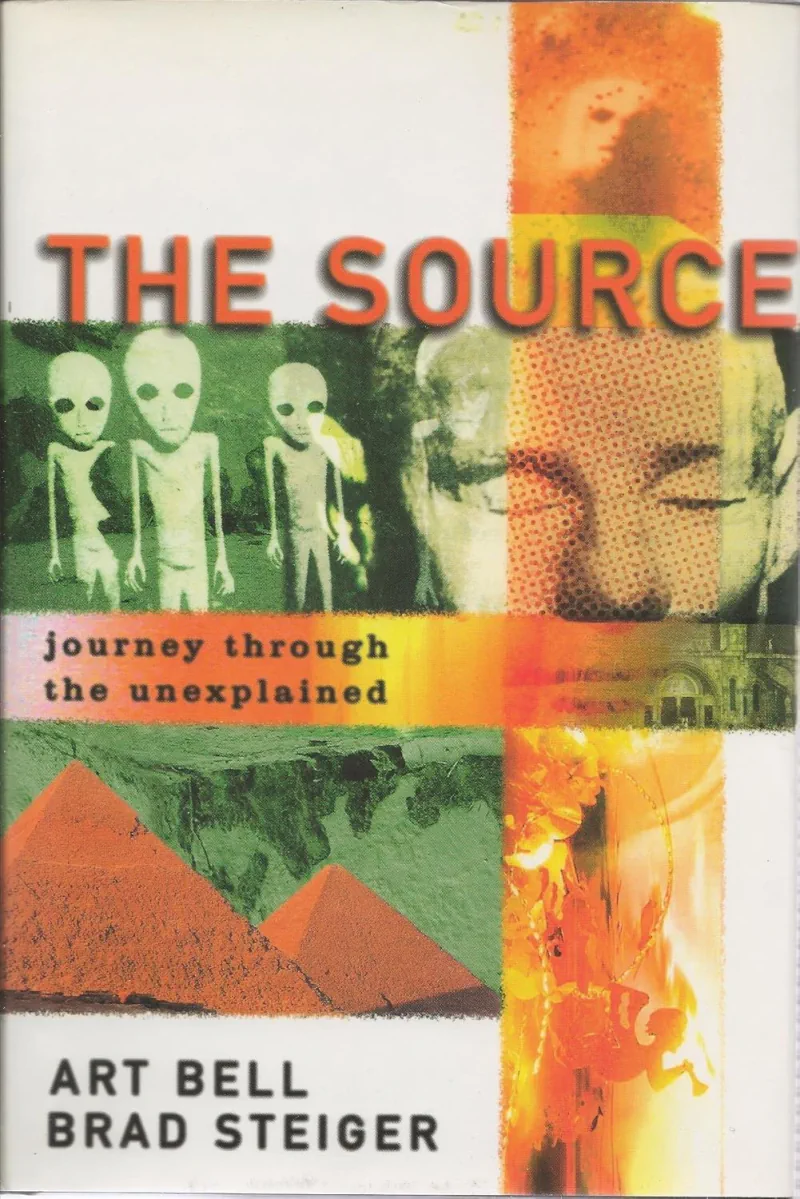
Bell’s books sit beside the broadcasts as artifacts of the same worldview: media, prediction, weather catastrophe, conspiratorial possibility, and the strange acceleration of modern life.