September 21, 1998: Hyperdimensional Physics, Free Energy - Richard C. Hoagland & Tom Bearden
Bearden describes longitudinal electromagnetic waves derived from the original Maxwell equations, which he claims were deliberately simplified over a century ago. He asserts that Russia has weaponized this technology under KGB oversight for decades, using it to manipulate weather patterns over North America since 1976, induce seismic events, and even destroy the USS Thresher submarine in 1963. He explains how these waves can heat or cool ocean waters at a distance, connecting the technology to El Nino anomalies.
Both guests argue that these classified capabilities could be used to protect satellites from the approaching Leonid meteor shower in November 1998. They warn that losing even 20 percent of geosynchronous satellites could trigger a global economic crisis and urge that black-world technologies be brought into public use for planetary defense and clean energy applications.
Key Moments
The Pioneer anomaly - deep space probes are not where they should be: Hoagland walks Bell through a fresh New Scientist report by JPL's John Anderson: the two Pioneer spacecraft, Galileo, and Ulysses are tracking closer to the sun than the standard gravity model predicts. Either the sun's gravity is mysteriously stronger, or - as Hoagland argues - something else is going on. He notes that Earth-based labs are simultaneously seeing G get weaker, which is impossible to reconcile in a normal model.
Hoagland's resolution: the speed of light is changing: Hoagland proposes that the Pioneer anomaly is not gravity getting stronger - it is the speed of light getting faster. If radio signals are traveling slightly faster than the textbook value, NASA's Doppler-and-range tracking will compute the spacecraft as closer than they really are. He frames this as a key prediction of the hyperdimensional model and notes there are decades of papers documenting historical changes in c that 'just don't get reported.'
Bearden - every electric charge is already a free energy machine: Tom Bearden argues that mainstream electrodynamics still treats a charge as creating energy out of nothing, while particle physics has known for decades that every charged particle is in violent energy exchange with the vacuum. The U.S. Patent Office, he notes, has now accepted the vacuum itself as a legitimate energy source. In his framing, every electron is already gating energy out of the vacuum and re-radiating it - so free energy machines, conceptually, already exist.
Preserved source
From the original ArtBell.com archive
The 2003 commemorative archive preserves the contemporary listing for this broadcast. Links and descriptions reflect the original site and may be outdated.
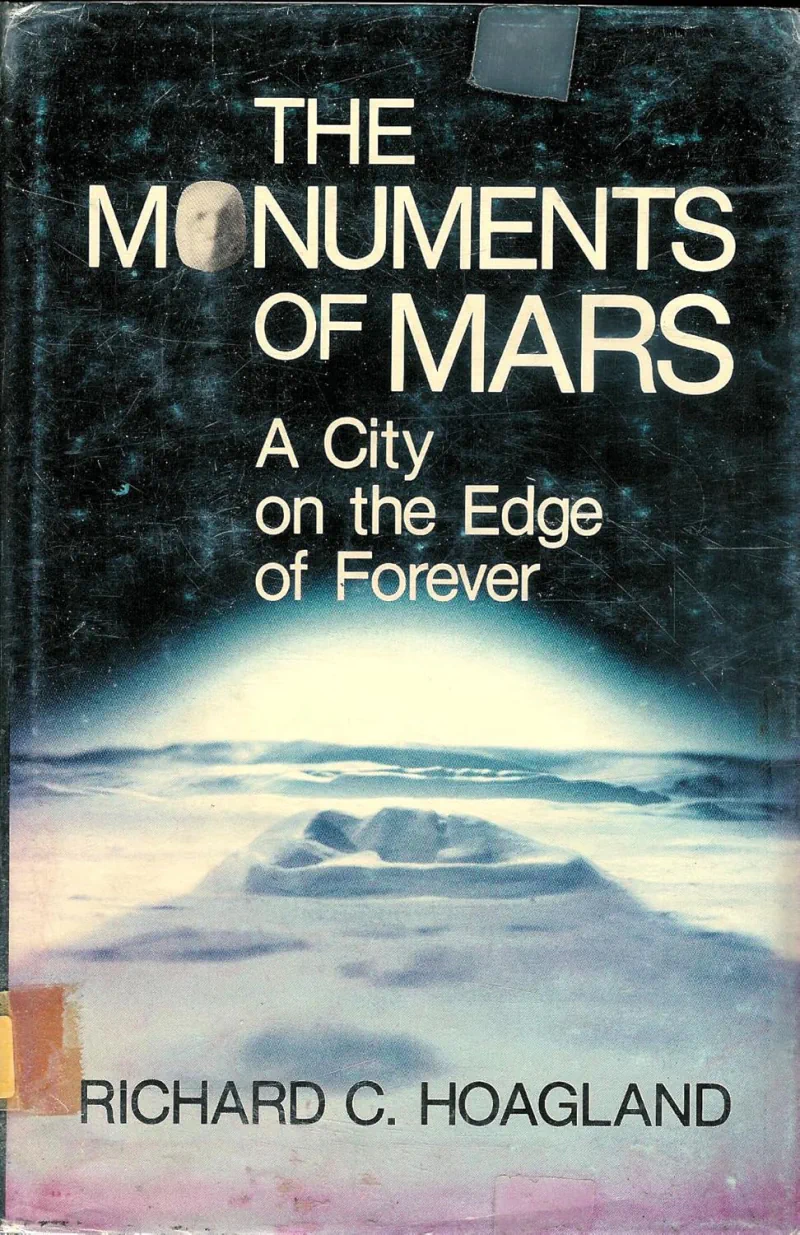
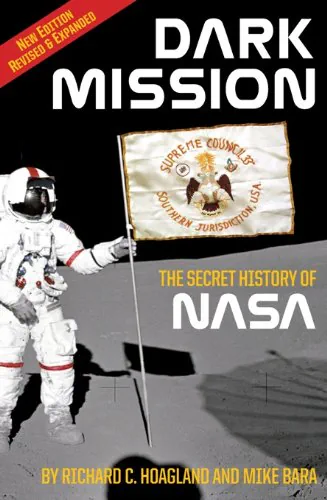
View the original program listingBooks by These Guests
Selected titles from the guest bibliography. Use them as context for this appearance, not required listening.
Collection
More in this collection
Continue exploring
Paths out of this episode
Stronger next moves anchored to this specific broadcast.