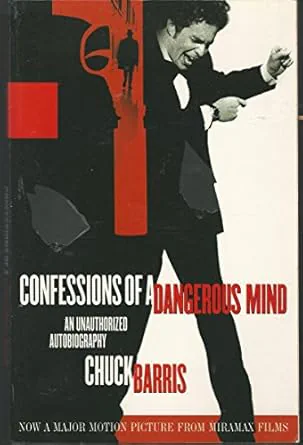
The conversation turns to the central premise of his book: that while producing some of television's most popular programs, Barris simultaneously served as a CIA operative. He declines to confirm or deny the claim directly, stating only that it is something he does not discuss with anyone, including his wife. Art notes that Barris would have been the least likely person anyone would suspect, making him an ideal candidate.
Barris also discusses his battle with lung cancer, caught early by a CAT scan, and shares his philosophy on celebrity and the toll of public life. He urges listeners to view the upcoming film and decide for themselves whether the story could be true.
Key Moments
Ridicule for entertainment, medals for killing: Art presses Barris on the cultural double standard at the heart of his memoir: producing 'silly but fun shows' draws scorn while killing for the country earns medals.
If I could come back, I'd be a different person: Barris reflects that if he could redo his life he'd come back as a quieter, kinder person - admits he probably wouldn't actually manage it - and ties the regret to the end-of-Gong-Show fatigue.
Do you have a dangerous mind?: Art asks Barris point-blank whether the book's title applies to him; Barris says yes, suspects most people do, and links it to creative type-A personalities prone to dark thinking.
Greed: televised executions as ultimate game show: Barris recounts his joke pitch for a show called Greed in which contestants risked execution, then watches modern shows like Fear Factor edge toward the same territory of staged danger.
Is assassination justified?: A late caller asks post-9/11 whether assassination is ever justified; Barris answers 'absolutely' and references the CIA's newly authorized targeting of al-Qaeda.
Books by This Guest
Selected titles from the guest bibliography. Use them as context for this appearance, not required listening.