The discussion centers on how the THEMIS infrared camera can see through layers of fine Martian dust to reveal subsurface structures. Hoagland explains that MOLA laser data confirms a basin beneath Cydonia nearly as deep as the Grand Canyon, filled with ultra-fine dust that is transparent to infrared wavelengths. Image processing specialist Keith Laney joins the program to describe how he obtained and processed the multispectral data using professional imaging software.
Controversy erupts when a NASA-affiliated programmer is accused of both guiding Laney to the pristine data and then publicly calling his results fraudulent. Art and Hoagland compare official website imagery with Laney's version, noting significant differences in quality and detail that raise questions about whether NASA may have degraded the publicly available data.
Key Moments
The bottom line: artificial structures on Mars: Hoagland confirms to Art that new infrared data shows what he interprets as architectural ruins, urban-style development buried beneath the Cydonia region.
Confidence level: 99.99999%: Pressed by Art on his certainty, Hoagland states his confidence the daytime IR images reveal architectural ruins on Mars is 99.99999 percent.
Reading the press release: Hoagland reads the opening of an Enterprise Mission press release sent to 4,000 outlets claiming overwhelming evidence of a city-like grid and individual buildings showing architectural design.
A Grand Canyon-deep basin filled with dust: Hoagland walks Art through the MOLA laser profile showing the area south of the Face on Mars is as deep as the Grand Canyon, but appears flat in the IR image because it is filled with talc-fine dust.
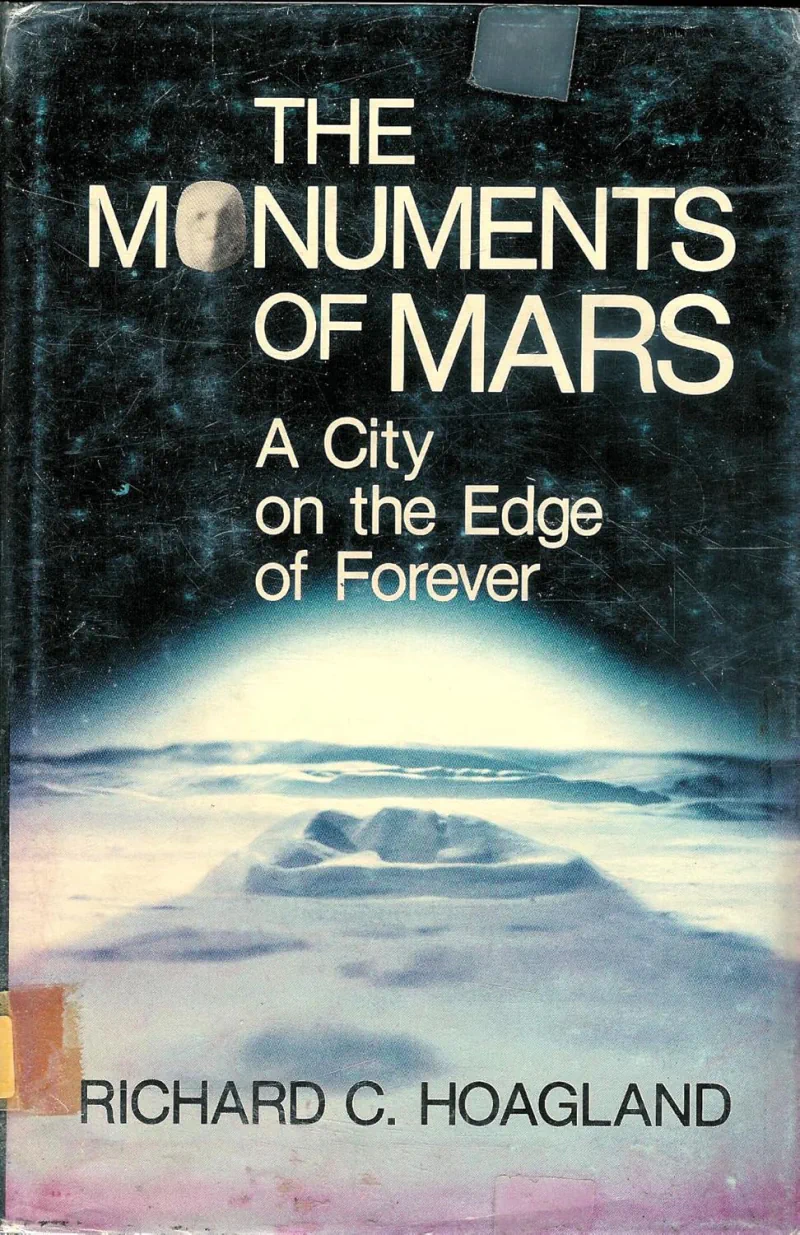
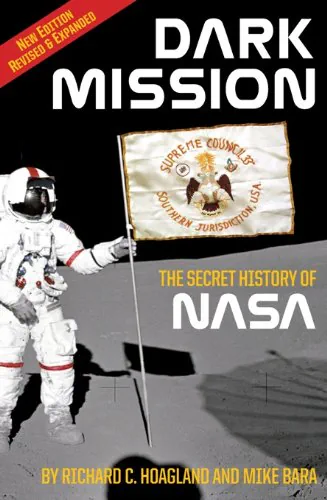
Books by This Guest
Selected titles from the guest bibliography. Use them as context for this appearance, not required listening.
Continue exploring
Paths out of this episode
Stronger next moves anchored to this specific broadcast.