
October 18, 2001: Mass Consciousness Experiment - Richard C. Hoagland
Richard C. Hoagland joins to explain the Princeton project, which since 1997 has tracked deviations in 39 random number generators scattered worldwide. Hoagland reveals that on September 11th, the instruments registered anomalies beginning four to five hours before the first plane struck, with odds against chance reaching 10,000 to one. He proposes that mass consciousness physically alters the local constants of reality through hyperdimensional physics windows.
Art and Hoagland discuss whether this power could be used for both positive and negative purposes, with Art expressing deep caution about tampering with forces he does not fully understand. The broadcast also features the announcement of a Crystal Gale visit and updates on the escalating anthrax crisis nationwide.
Key Moments
Healing experiment for Rush Limbaugh: Art revives the famous Coast to Coast 'grand experiments' for the first time in years, asking listeners on 500-plus stations to close their eyes during the break and intensely concentrate on healing the tiny hairs in Rush Limbaugh's ears - projecting white light to restore his rapidly failing hearing.
Harnessing the energies of love: Hoagland reads the Teilhard de Chardin epigraph that opens Roger Nelson's Gathering of Global Mind paper and frames the entire Global Consciousness Project: someday, after mastering winds, waves, tides and gravity, humanity will harness the energies of love - and for the second time in history will have discovered fire.
The eggs and the Electrogaiagram: Hoagland explains the Global Consciousness Project: 30-plus white-noise random number generators (called 'eggs') wired around the world via the internet to a central computer at Princeton, designed as an Electrogaiagram - an EEG for the planet to measure whether linked human consciousness can perturb pure randomness.
The eggs spiked four hours before 9/11: Hoagland delivers the bombshell: the Princeton random number generators didn't just react to September 11 - they began their through-the-roof anomaly four to five hours before Flight 11 hit the first World Trade Center tower, with the overall event registering at roughly 10,000-to-one against chance.
Concentrate on the number five: Art and Hoagland set up the live mass-mind experiment: the audience is asked to close their eyes during the break, picture the Princeton campus and the random number generators, and concentrate together on a single number - five - to push the eggs out of randomness in real time. Princeton's Dean Radin will check the data.
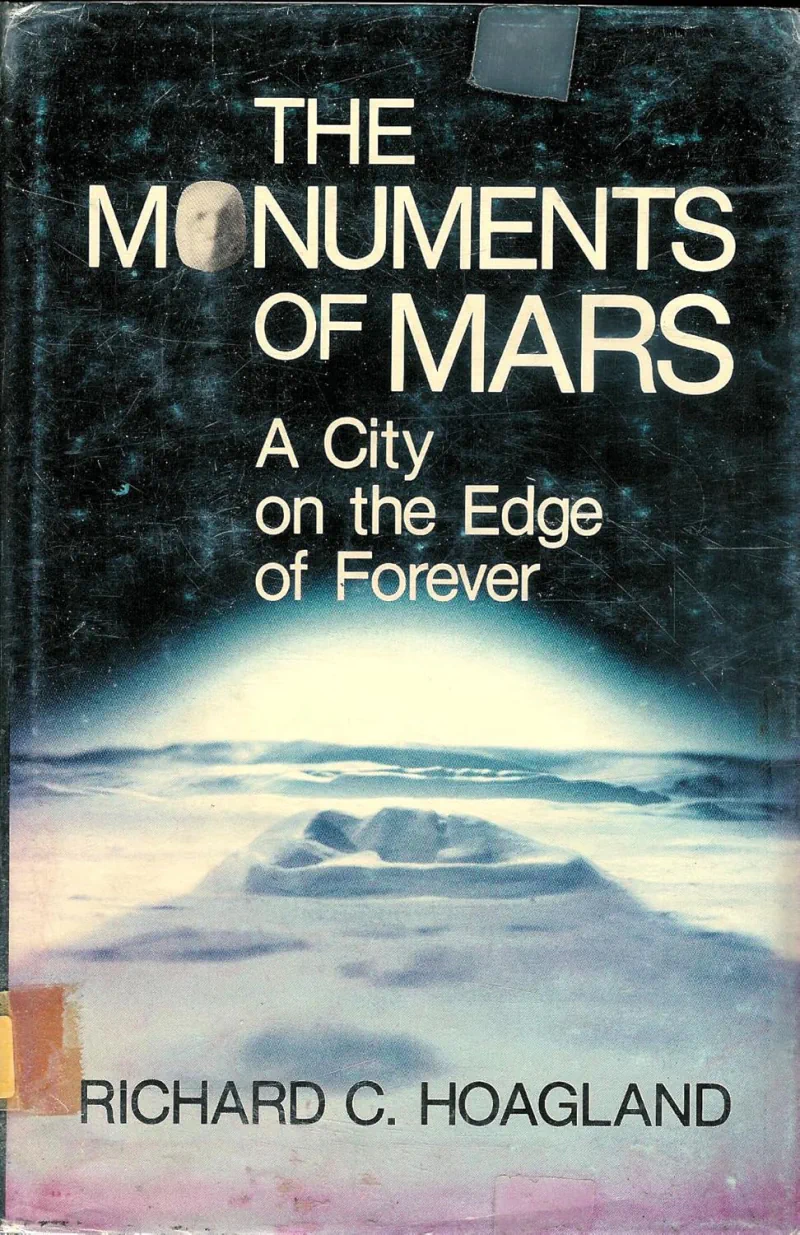
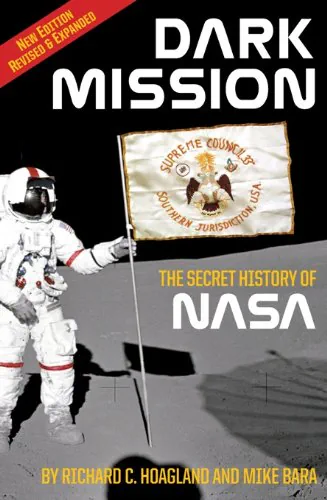
Books by This Guest
Selected titles from the guest bibliography. Use them as context for this appearance, not required listening.
Collection
More in this collection
Continue exploring
Paths out of this episode
Stronger next moves anchored to this specific broadcast.