The discussion covers how drought conditions have shifted the dry line eastward, pushing violent supercell storms closer to populated areas like Oklahoma City. Faidley explains the dangers of core punching, nighttime chasing without radar, and the tragic deaths of three researchers during the 2013 El Reno tornado, which expanded with terrifying speed. He criticizes the Weather Channel's embrace of what he calls "chaser-tainment," entertainment-driven coverage that risks lives by delaying viewers from seeking shelter.
Art and Faidley discuss the science of El Nino and its global weather impacts, the impossibility of current tornado control technology, and what would happen if an EF5 tornado struck a major downtown area. Faidley shares his triangle of survival framework for storm safety: know the danger, know what to do, and take action immediately.
Key Moments
Lightning photo launches the career: Faidley identifies his 1987 Tucson lightning-strike photograph as the image that got him started.
Drought shifts the dry line: Faidley says drought has pushed the dry line farther east, moving storms toward more populated areas.
El Reno kills researchers: Faidley criticizes storm-chasing entertainment and cites the El Reno tornado that killed three researchers.
First chase ends in tragedy: Faidley recalls his first tornado chase ending in Saragossa, Texas, where children died during a graduation ceremony.
Core punching danger: Faidley explains core punching as driving into the dangerous core of a supercell storm.
Books by This Guest
Selected titles from the guest bibliography. Use them as context for this appearance, not required listening.
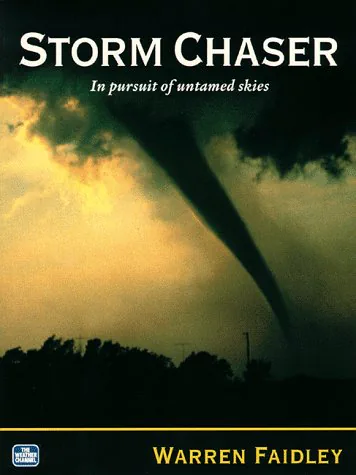
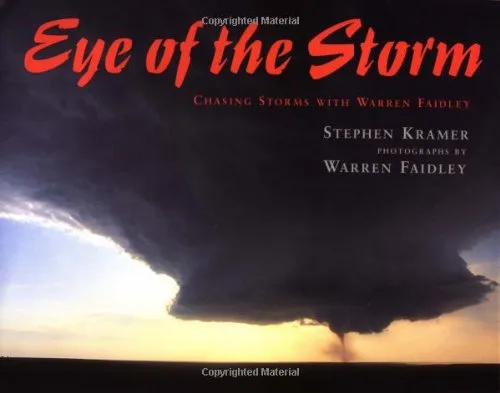
Eye of the Storm : Chasing Storms With Warren Faidley
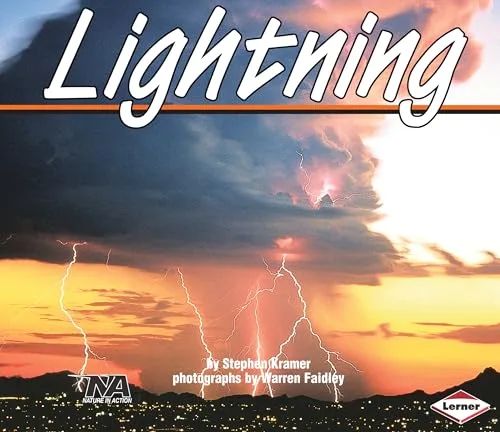
Lightning (Nature in Action)
Continue exploring
Paths out of this episode
A stronger next move anchored to this specific broadcast.