November 11, 2006: World's Most Dangerous Places - Robert Young Pelton
The conversation turns personal as Art asks about the Philippines, where he is broadcasting from. Pelton confirms Manila's dangers, revealing how police there operate as hired killers for as little as two hundred dollars. He shares harrowing stories from Chechnya, where he witnessed Russian forces bombing civilian apartment buildings during the siege of Grozny, surviving as one of only two Westerners inside the city.
Art and Pelton find common ground on the value of experiencing the world firsthand. Both argue that Americans would hold fundamentally different views on foreign policy if every citizen traveled to a developing country. Pelton draws parallels between tribal walkabout traditions and the modern loss of personal testing that once defined the transition from childhood to adulthood.
Key Moments
Talking his way past the Taliban: Pelton describes walking unannounced into Taliban headquarters in a Pakistani refugee camp in the mid-90s, telling them in Arabic 'Amal Talib'-'I'm a student, I'm here to learn'-and challenging them as 'women hiding behind the burqa' until they convened a shura and issued a fatwa allowing him to film Mullah Omar.
How the Soviet-Afghan war seeded 9/11: Pelton traces bin Laden's network back to the CIA-Saudi pipeline of the 1980s, arguing the U.S. and Saudis each pumped roughly $3 billion into Afghanistan and built 'a hardcore, heavy-duty machine' for training foreign fighters that became the genesis of 9/11.
9/11 hijackers were not Afghans: Pushing back on Art's framing of 9/11 as the work of Afghanistan-based fighters, Pelton notes the hijackers were not Afghans, Iraqis, or Pakistanis but educated middle-class Arabs-reframing the war on terror as a misdirected response.
Negotiating bullets out of a meth-fueled driver's gun: Calling from the Philippines, Art trades stories with Pelton about a Manila driver nicknamed 'Hardcore' who impersonated a cop with a .45 and got cranked up on yaba/meth one night intending to kill Pelton's film crew-Pelton survived by paying him for the bullets in his gun.
Pelton's 2006 most-dangerous-places ranking: Asked to rank the world's top dangerous places as of November 2006, Pelton names central Iraq and Baghdad as number one, southern Afghanistan as number two-where Westerners are being deliberately hunted with 'a high probability of your demise'-followed by Somalia.
Books by This Guest
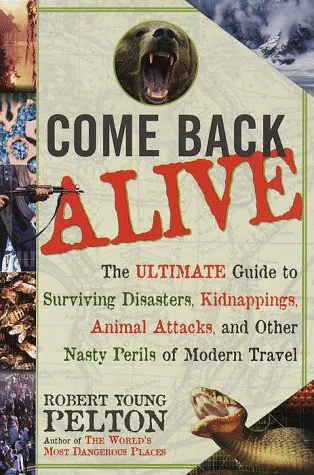
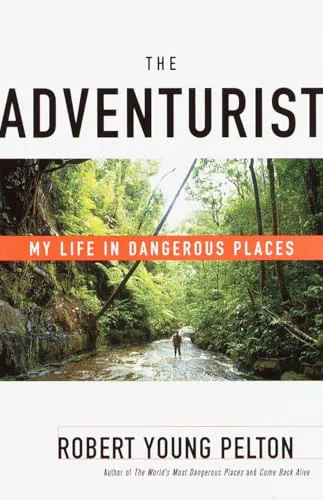
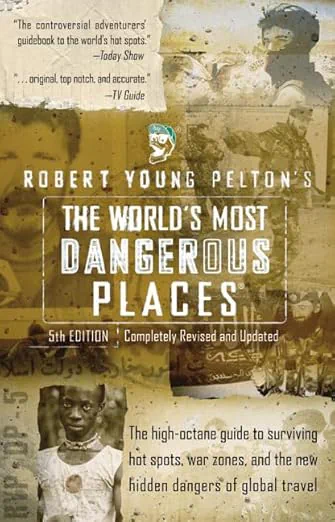
Selected titles from the guest bibliography. Use them as context for this appearance, not required listening.