Sykes explains that the Y chromosome mutates faster than other chromosomes and lacks the ability to repair itself through DNA exchange. He notes that seven percent of men today are already sub-fertile, with one to two percent of male infertility directly caused by new Y chromosome mutations. The conversation turns to sexual selection, with Sykes drawing parallels between the peacock's tail and human accumulation of wealth and power, using Genghis Khan's 16 million living male descendants as a striking example.
In a provocative chapter of the book, Sykes proposes that male homosexuality may result not from a single gene but from a genetic war between the Y chromosome and mitochondrial DNA. He cites data showing that mothers of gay men have significantly fewer brothers than sisters, suggesting mitochondria may actively work to suppress male offspring.
Key Moments
Men go extinct in 5,000 generations: Asked when human males will become extinct, Sykes says it is roughly 5,000 generations away, around 125,000 to 150,000 years from now.
Y chromosome as a 'graveyard of rotting genes': Sykes calls the Y chromosome a 'genetic ruin, a wasteland littered with molecular wreckage, a graveyard of rotting genes.' He explains it began as an X chromosome with thousands of genes and has decayed to just 27, with mutations accumulating fast.
7% of men already sub-fertile from new Y mutations: Sykes says the deterioration is already underway: 7% of men today are sub-fertile, with 1-2% of male infertility caused by new mutations on the Y chromosome that their fathers did not have.
Genghis Khan, testosterone, and the Y chromosome's selfish strategy: Sykes argues despots like Genghis Khan spread their Y chromosome by killing rival men and inseminating captured women, framing the chromosome itself as benefiting from the violent, testosterone-driven behavior of the men who carry it.
Mitochondria, the war on males, and male homosexuality: Sykes proposes that within women's bodies a war is being waged against males by maternally inherited mitochondria, and that the mitochondria's success in this war may be partially responsible for male homosexuality.
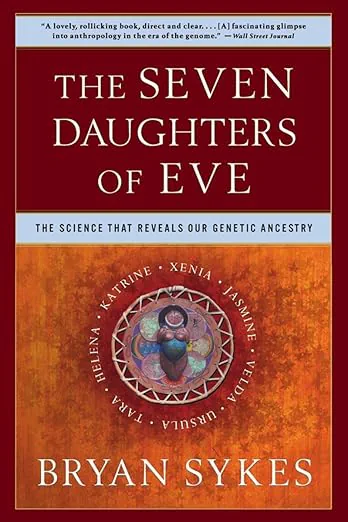
Books by This Guest
Selected titles from the guest bibliography. Use them as context for this appearance, not required listening.