The conversation turns to a revelation from NASA when Hoagland reports that the Hubble Space Telescope photographed the lunar surface on April 16, 1999, despite years of official claims that the moon was too bright for the instrument. He details how NASA officials, including the head of public affairs at the Space Telescope Institute, had repeatedly stated on record that even the earthlit portion of the moon would damage the telescope. Hoagland theorizes that honest insiders may be working to expose a deceptive element within the agency.
Hoagland also discusses new magnetic striping discoveries on Mars from the mapping orbit, addresses the personal attacks he endured during his recovery including accusations that he faked his heart attack, and hints at upcoming revelations connected to the Taurid meteor stream and NASA's hidden research into potential Earth impacts.
Key Moments
Radiocarbon dates Miami Circle to 2,000 years: Hoagland reports that radiocarbon dating of fill from the 30 rectangular basins arranged in the 38-foot perfect circle puts a minimum age of 2,000 years on the structure, since later material would mean the holes hadn't been filled when the standing stones were removed.
Eminent domain saves the site from bulldozers: Hoagland recounts that bulldozers were ready to plow the 2.2-acre Bauman site for twin high-rises until Miami-Dade Mayor Alex Penelas invoked eminent domain and a judge issued an injunction, with the case now headed to a jury trial.
Hubble pointed at the Moon - the broken NASA rule: Hoagland reports that NASA, which had long insisted Hubble could never image the Moon because lunar brightness would damage the instrument, suddenly captured a mosaic of the Copernicus and Kepler region at high noon and quietly withheld the infrared STIS data.
Two NASAs: honest agency and a rogue element: Hoagland lays out his core conspiracy frame - that the bulk of NASA is sincere while a small dark contingent has taken hidden control, with the honest majority unaware the others exist.
Mars magnetic striping and Van Flandern's exploded planet: Hoagland points to peculiar magnetic striping detected by Mars Global Surveyor, which he says fits Tom Van Flandern's exploded-planet theory with Mars as a former satellite of the missing big planet from the asteroid belt.
Preserved source
From the original ArtBell.com archive
The 2003 commemorative archive preserves the contemporary listing for this broadcast. Links and descriptions reflect the original site and may be outdated.
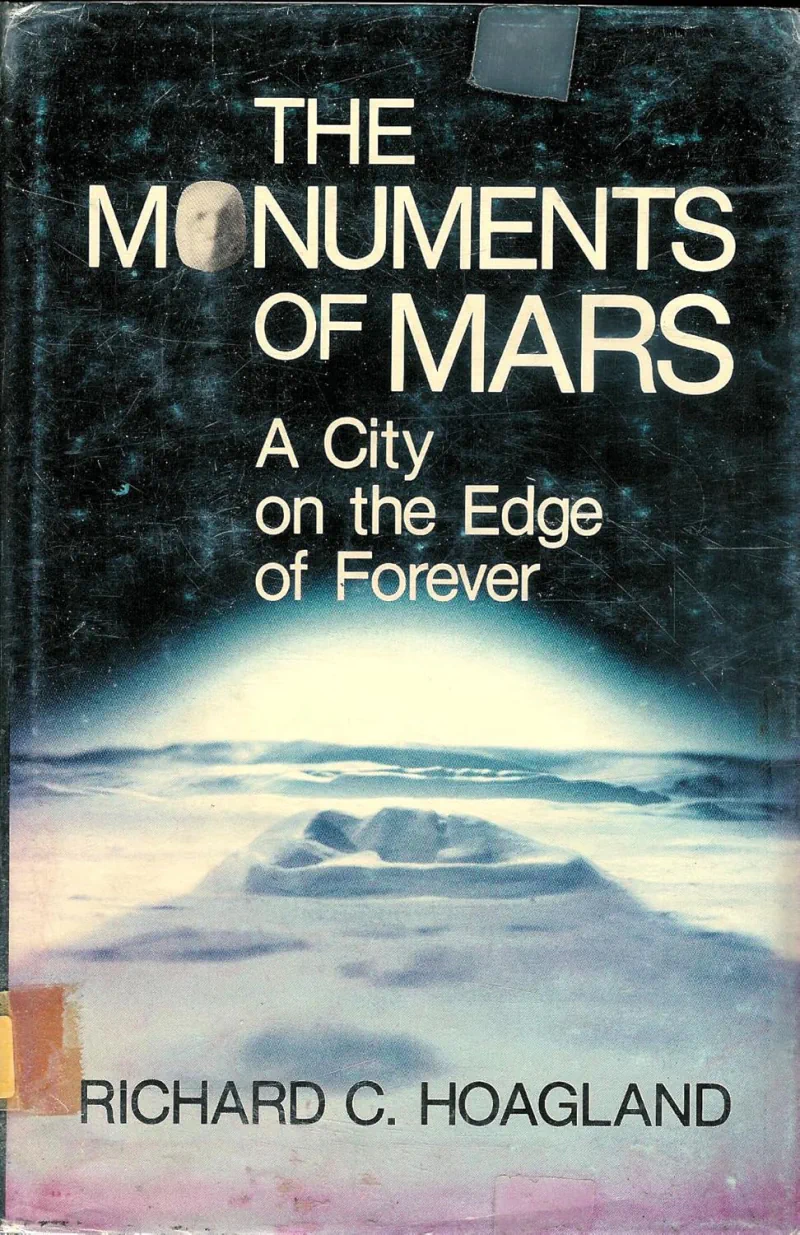
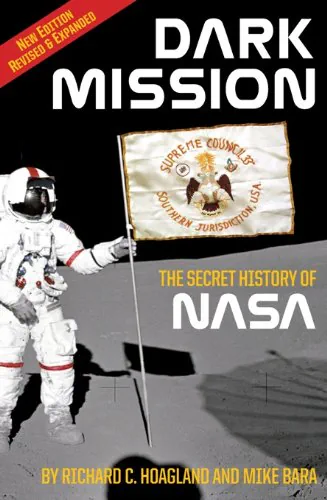
View the original program listingBooks by This Guest
Selected titles from the guest bibliography. Use them as context for this appearance, not required listening.
Continue exploring
Paths out of this episode
A stronger next move anchored to this specific broadcast.