
May 15, 2002: Remote Viewing - Ingo Swann & Paul H. Smith | Bioterrorism - Steve Quayle
Quayle warns that genetically altered pathogens from former Soviet bioweapons labs are now in unknown hands, and he highlights the theft of 96 barrels of sodium cyanide in Mexico as another emerging threat. He urges listeners to educate themselves about biological agents and strengthen their immune systems. Art also addresses the breaking revelation that President Bush received intelligence warnings before September 11th about potential al-Qaeda hijackings.
Remote viewing pioneer Ingo Swann and former military remote viewer Paul H. Smith then join to discuss the program's history and termination. Swann reveals that the CIA ended the remote viewing research not solely for political reasons but because the training process was producing telepathic capabilities, threatening the secrecy on which governments depend. Both guests express frustration that the program was disbanded despite its demonstrated operational value in counter-narcotics and intelligence gathering.
Key Moments
The First Casualty of War Is the Truth: Discussing why Britain's Ministry of Defence dismissed bioterrorism so quickly after sick soldiers were evacuated from Bagram, Steve Quayle invokes the old aphorism that truth is the first casualty in war and Art agrees.
Ingo Swann Knew He Was Psychic at Two: Swann tells Art he became aware of his abilities at age two, seeing auras and 'butterfly lights' and recalling past lives, with his maternal grandmother as the rare adult who didn't shut it down.
Why Remote Viewing Research Was Really Killed: Swann teases the strange reason research was shut down: by 1984–85 the program had documented that telepathic signals could be trained, and, in his telling, nobody wanted official records that minds could read minds.
Books by These Guests
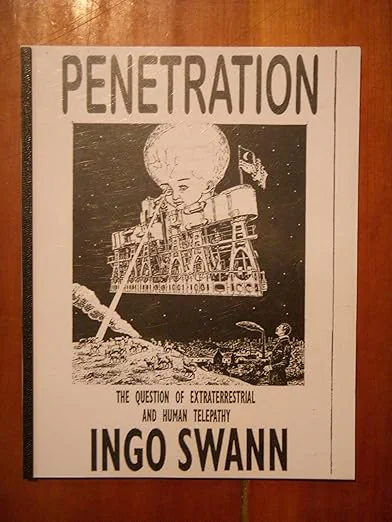
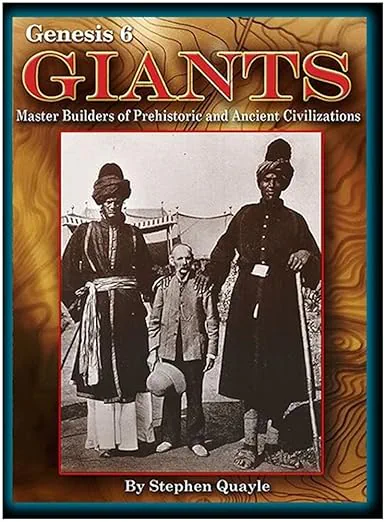
Selected titles from the guest bibliography. Use them as context for this appearance, not required listening.

Continue exploring
Paths out of this episode
A stronger next move anchored to this specific broadcast.