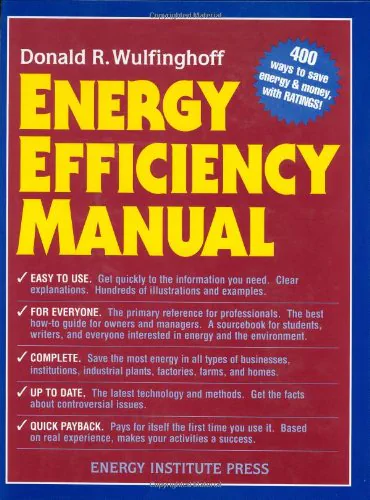
The discussion turns to practical household measures. Wulfinghoff identifies heating and cooling as the largest residential energy consumers and recommends aggressive attic insulation, proper roof ventilation, and strategic window shading as the most cost-effective improvements. He warns against foam insulation inside homes due to its lethal fumes when ignited and advises against ground-source heat pumps in hot climates where the earth gradually warms and efficiency degrades. For new construction, he suggests thick-walled framing, zone-controlled heating with baseboard radiators, and Japanese split-system air conditioners for individual room cooling.
Wulfinghoff notes that modern appliances consume roughly one-third the energy of models from 30 years ago, largely through better insulation. He estimates existing homes could reduce energy use to half or even one-third of current levels through practical upgrades, while new homes designed with proper insulation and shading could achieve 80 to 90 percent reductions without any advanced technology.
Key Moments
It Will Take Energy to Save Energy: Asked whether fuel cells or alternatives will replace petroleum, Wulfinghoff argues the transition won't happen on its own and warns the build-out itself is energy-hungry - making conservation the most urgent move now.
Buildings Could Use 10–20% of Today's Energy: Wulfinghoff claims residential and commercial buildings could be designed to consume only 10–20% of current energy use - without advanced technology - though the deepest cuts only apply to new construction.
Why He Won't Put Foam Insulation in a House: Wulfinghoff explains that all foam insulation will burn at ignition temperature and gives off lethal fumes, and that in a fire it liquefies and flows out of walls - so he only uses it buried under soil at the foundation.
Preserved source
From the original ArtBell.com archive
The 2003 commemorative archive preserves the contemporary listing for this broadcast. Links and descriptions reflect the original site and may be outdated.
View the original program listingImages and material referenced by the original site
Books by This Guest
Selected titles from the guest bibliography. Use them as context for this appearance, not required listening.