The conversation shifts to Bigfoot when McMullen reveals that his decades of panther tracking also led him to unexplained encounters with an unknown creature. He details his August 1997 sighting of a large, upright, chocolate-brown figure standing 35 feet away in a tree line, breathing visibly, with dark caramel skin and long hair-covered arms ending in clearly defined fingers. He compares and contrasts the creature with the famous Patterson film footage.
McMullen discusses the physical evidence he has gathered, including plaster casts of massive footprints with dermal ridges, strange vocalizations heard at close range, and his philosophy of naturalistic observation over capture or killing. He argues that a skilled tracker can build a case for an unknown species without ever harming one, and urges protection for the creature he believes has inhabited the Everglades for generations.
Key Moments
Tracking the Florida panther since 1976: McMullen explains why he set out to track the endangered Florida panther in the Everglades, drawing on Marine Corps training and family woodcraft after no one believed any panthers remained.
Hunter who killed and buried two Bigfoot: McMullen recounts a Missouri hunter who claimed to have shot a male and female Bigfoot, panicked at how human they looked, and buried the bodies, then refused to lead investigators back after callers warned of murder charges.
Set out to debunk Bigfoot, became convinced: McMullen admits he began his 1997 Florida Bigfoot investigation specifically to discount the sightings as a hoax, but the witnesses' accounts pulled him toward believing they had seen something real.
Self-critique: scanty physical evidence: McMullen interrogates his own observations, asking whether his mind played a trick while hunting, then describes finding no tracks but clear pressed-down grass where a very heavy person or animal had stood.
Preserved source
From the original ArtBell.com archive
The 2003 commemorative archive preserves the contemporary listing for this broadcast. Links and descriptions reflect the original site and may be outdated.
View the original program listingBooks by This Guest
Selected titles from the guest bibliography. Use them as context for this appearance, not required listening.
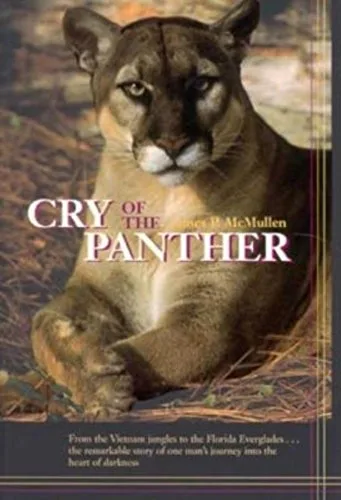
Cry of the Panther: Quest of a Species
Collection
More in this collection
Continue exploring
Paths out of this episode
A stronger next move anchored to this specific broadcast.