A Boeing senior flight test engineer calls in to argue that the unusual sky patterns are simply test flight contrails, but Thomas counters with evidence that the cross-hatching occurs far from major airways and navigation beacons. An airline pilot with 15 years of experience at Continental confirms he has never seen contrails cover an entire sky. William Wallace, the original witness whose report launched the investigation, describes repeated low-altitude spraying over his property that left him and his wife chronically ill with joint pain and Epstein-Barr virus.
Thomas connects the symptoms to mycoplasma infections linked to Gulf War illness research and reveals correspondence from a high-ranking Air Force officer whose own inquiries into the spraying resulted in his security classification being elevated. Multiple callers from Salt Lake City report hazmat teams rushing to clean up brown deposits falling from aircraft, incidents confirmed by local news coverage that same day.
Key Moments
How the chemtrail story began: Thomas recounts the genesis of his investigation: 15 weeks earlier the Environment News Service assigned him to check a story by William and Ann Wallace in Washington State, who reported large multi-engine jets weaving grid patterns for hours over their mountain home, falling ill, and watching clear skies turn overcast.
Pentagon precedent and the Serratia marcescens find: Thomas cites 1977 and 1994 congressional investigations confirming the Pentagon sprayed biological warfare simulants on hundreds of U.S. and Canadian cities - including the U.S. Navy's 1950 release of Serratia marcescens over San Francisco, which sickened residents - and notes the same bacteria has now been found in a recent Idaho cobweb sample.
Brown goo and a biohazard lab response: Thomas describes a brown goo sample collected by his colleague Armenia Kasani after it splattered a house near a major airport - the woman whose house it hit later had a heart attack, the researcher and a university friend got sick, and a government-licensed lab told her the culture was a 'hot biohazard' that grew faster than any sample they'd ever seen.
Epstein-Barr, mycoplasma, and Gulf War illness link: Thomas notes Ann Wallace tested positive for Epstein-Barr, as did fellow chemtrail investigator William Kilburton, and connects this to mycoplasma infections he documented in his book Bringing the War Home - arguing the U.S. military has been experimenting with transmissible mycoplasmas tied to Gulf War illness.
Why it isn't chaff: Thomas debunks the military's 'chaff' explanation reported by Miami's WPLG: chaff is a small puff fired by fighter jets to confuse missile radar, cannot form mile-long radar returns, doesn't dissolve into cobweb material, and would never be deliberately dropped near major airports because it would crash conventional radar systems.
Preserved source
From the original ArtBell.com archive
The 2003 commemorative archive preserves the contemporary listing for this broadcast. Links and descriptions reflect the original site and may be outdated.
View the original program listingBooks by This Guest
Selected titles from the guest bibliography. Use them as context for this appearance, not required listening.
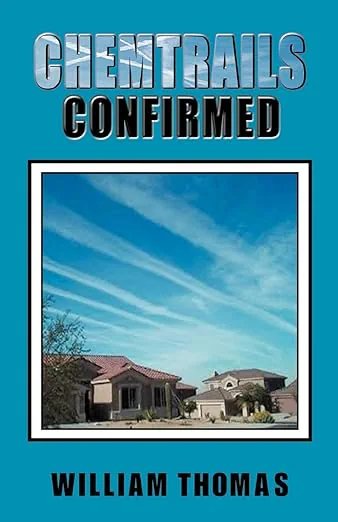
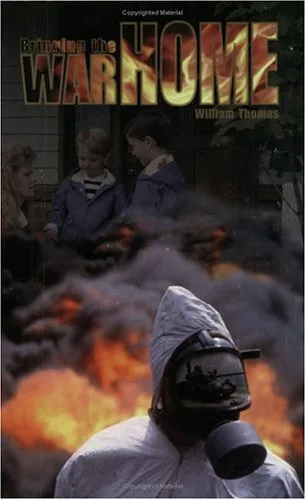
Bringing the War Home
Continue exploring
Paths out of this episode
A stronger next move anchored to this specific broadcast.