Hoagland discusses a 1960 New York Times article reporting on the Brookings Institution study, which warned that discovery of extraterrestrial artifacts could cause civilization to collapse. He argues this report provided the rationale for a 30-year cover-up of lunar anomalies. He announces that Graham Hancock will participate in the press conference via satellite phone from the Giza plateau on the spring equinox, connecting lunar findings to evidence of lost terrestrial civilizations.
Art Bell uploads new photographs to his website in real time during the broadcast, including a ground-based video frame from Hawaii showing the tethered satellite glowing against background stars with unexplained luminous points at both ends.
Key Moments
The 1960 New York Times Brookings story: Hoagland reads the December 15, 1960 New York Times headline reporting the Brookings Institution warning that earth civilization 'might topple' if faced with evidence of life on other worlds - and noting such evidence might be found in artifacts left on the moon or other planets.
Apollo 10 frame 4822 and 'the castle': Hoagland describes the Apollo 10 image showing a mile-sized object resembling a Grecian temple of glass hanging about nine miles above Sinus Medii, photographed in May 1969 by Stafford or Cernan from the LM, and later corroborated by a second 4822 obtained by student Alex Cook.
Soviet Zond 3 photographs of the Moon: Hoagland explains how the Soviet Zond 3 spacecraft, originally built for Mars, was suddenly redirected past the Moon on July 20, 1965 in a mission with no real Mars target - and returned 28 photographs, two of which the Mars Mission team now possesses.
Press release headlines: 30-year cover-up: Art reads the official Mars Mission press release headlines verbatim - former NASA scientists and engineers will announce 30-year-old suppressed evidence of artificial structures on the Moon and challenge the White House to open NASA files.
Why the tether glows at both ends: Hoagland points to a Hawaii TV-camera frame at sunrise showing the severed tether glowing as brightly at the bare wire end as at the satellite, and argues that because the cut wire is the only place the conductor can see space, that is where corona discharge into the ionosphere is concentrated.
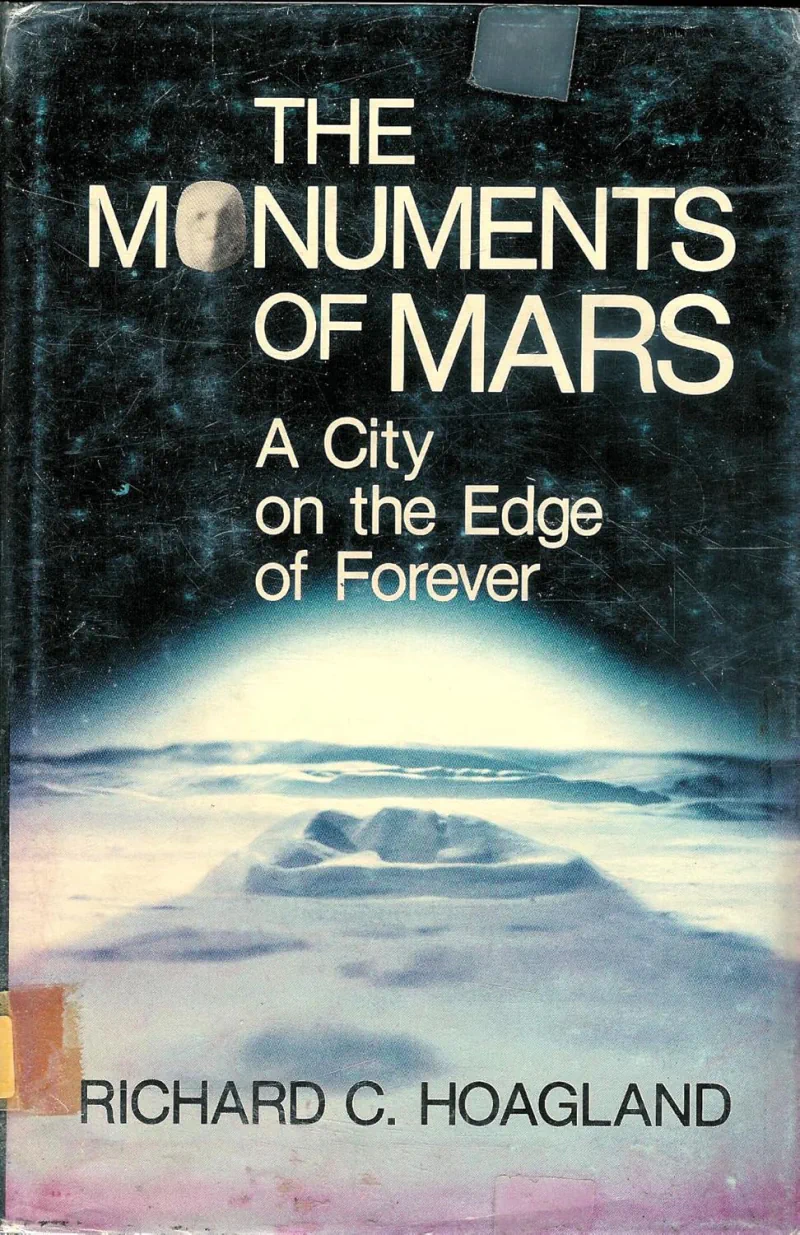
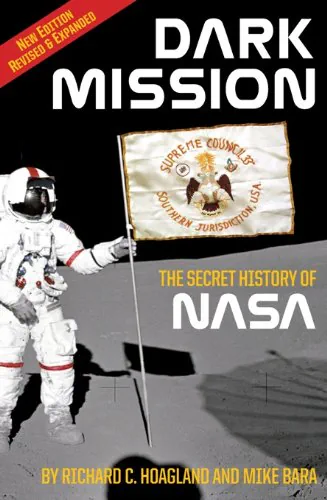
Books by This Guest
Selected titles from the guest bibliography. Use them as context for this appearance, not required listening.
Continue exploring
Paths out of this episode
A stronger next move anchored to this specific broadcast.