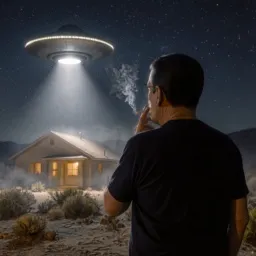
March 10, 1996: Spontaneous Human Combustion - Larry Arnold & Linda Moulton Howe
Arnold describes eyewitness cases including Peter Jones, whose body spontaneously produced billowing smoke on two occasions without causing tissue damage. He explores theories involving aberrant electrical discharges within the body, subatomic physics, and psychological factors such as depression and explosive temperament that may predispose individuals to the phenomenon. Arnold challenges the human candlewick theory, noting that overweight bodies are actually the most difficult to cremate.
Linda Moulton Howe opens the program with an update on the Chupacabras mystery in Puerto Rico, reporting on police documentation of 30 fighting roosters found dead with clean puncture wounds and no blood. She reveals similar attacks occurring in the Mexican state of Veracruz dating back to 1994.
Key Moments
Arnold defines spontaneous human combustion: Larry Arnold defines SHC as the process whereby a human body begins to smoke or burst into flame without any external identifiable source of ignition, and notes mainstream science dismisses it as impossible.
Arnold's working theory: aberrant electrical discharge: Pressed by Art on cause, Arnold says SHC is clearly an aberrant electrical discharge inside the body or induced from an external source not readily apparent - and rejects the candle-wick explanation.
The Dr. John Irving Bentley case - Coudersport, PA, 1966: Arnold walks through the December 1966 case of 92-year-old Dr. John Irving Bentley: meter reader Donald Gosnell finds a small pile of ash in the basement, then a 2-by-3-foot hole burned through the bathroom floor above with only one half of a leg in a slipper remaining.
The water paradox and the bathtub that didn't blister: Arnold notes the human body is 70-80% water, which should preclude combustion, yet at the Bentley scene the enamel paint on the adjacent bathtub had not even blistered despite an inferno that incinerated a body more completely than a crematorium.
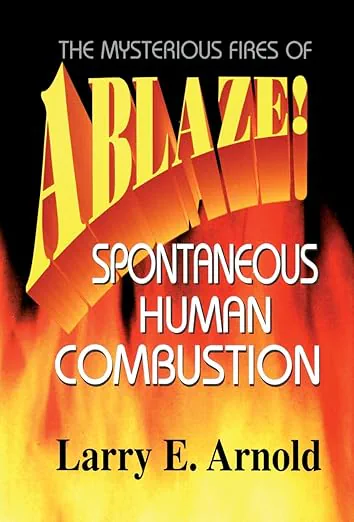
Books by These Guests
Selected titles from the guest bibliography. Use them as context for this appearance, not required listening.
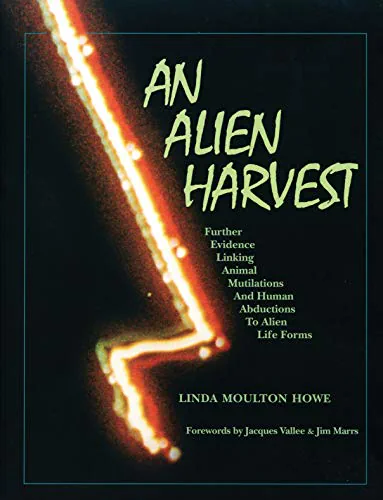
An Alien Harvest: Further Evidence Linking Animal Mutilations and Human Abductions to Alien Life Forms
1989

Continue exploring
Paths out of this episode
A stronger next move anchored to this specific broadcast.