
June 12, 2001: Echelon - David Ruppe | Bible Code Debate - Grant Jeffrey & Mike Heiser
The program then shifts to a spirited debate between Grant Jeffrey, a leading Bible Code authority, and Mike Heiser, author of The Bible Code Myth. Jeffrey presents equidistant letter sequences found in Isaiah 52 and 53, including 41 names associated with the crucifixion and a 22-letter code reading "Yeshua is my mighty name." He argues the astronomical odds validate divine authorship.
Heiser counters that 115 letter differences between the Dead Sea Scrolls and the Medieval Masoretic text used by code researchers undermine the entire enterprise. He insists that spelling conventions changed when rabbis replaced consonantal vowel markers with dots and dashes, shifting every letter chain and invalidating the statistical claims. The two scholars clash over which manuscript tradition represents the authentic data set.
Key Moments
Echelon collects everything, sorts it later: ABCNews.com reporter David Ruppe explains that the NSA's Echelon system intercepts huge volumes of overseas communications first and applies the U.S.-citizen-protection rules afterward. They can keep a U.S. person's communication when judged 'necessary to understand' the foreign intelligence - a loose standard that means the constitutional protection is a back-end editorial decision, not a front-end limit.
Foreign intelligence means everything - and the British loophole: Ruppe reads the NSA's own definition of 'foreign intelligence' from its website - capabilities, intentions, and activities of foreign powers, organizations, and persons - and confirms it covers essentially anything. He then walks Bell through the UKUSA five-eyes structure (US, UK, Canada, Australia, New Zealand), explaining critics' charge that partners can spy on each other's citizens and trade the take to skirt their own laws.
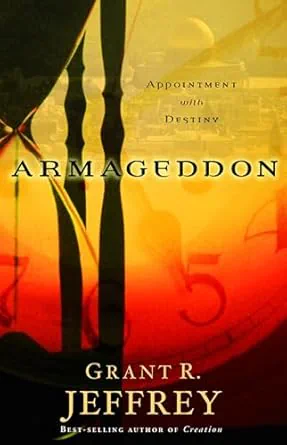
Jeffrey: 41 names hidden in Isaiah 53: Grant Jeffrey lays out his core Bible Code claim: in the 15-verse Isaiah 52–53 messianic passage, he and Yacov Rambsel found 41 equidistant-letter-sequence names - Yeshua, the disciples, three Marys, Pilate, Herod, Caiaphas - clustered in one short text written 700 years before the crucifixion. He frames the codes as God's signature for a skeptical, computer-equipped age.
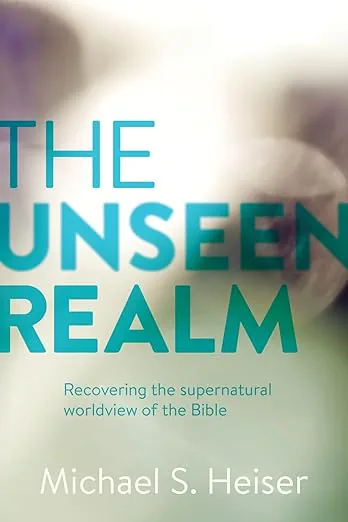
Heiser: 63 letter differences and the Masoretic problem: Mike Heiser, a Hebrew Bible scholar, demolishes the statistical argument by attacking the data set itself: the Masoretic text used by code researchers differs from the Dead Sea Scrolls by roughly 63 letters in just the seven verses around the famous 22-letter Yeshua ELS. Letters were added or removed by medieval rabbis when they switched to the vowel-pointing system, so the codes - if they exist - would have to be the work of those rabbis, not God.
Heiser: predict, don't post-dict: Heiser exposes the methodological hole in code research with a coin-flip analogy: any thousand-flip sequence is astronomically improbable in retrospect, but only predicting it in advance is a miracle. He charges Bible Code practitioners with never specifying their target names, spelling, or language stage beforehand, and with mixing modern Hebrew and biblical Hebrew vocabulary and inconsistent name spellings until the hits collapse to about 20 - well within chance.
Preserved source
From the original ArtBell.com archive
The 2003 commemorative archive preserves the contemporary listing for this broadcast. Links and descriptions reflect the original site and may be outdated.
View the original program listingBooks by These Guests
Selected titles from the guest bibliography. Use them as context for this appearance, not required listening.
Continue exploring
Paths out of this episode
A stronger next move anchored to this specific broadcast.