
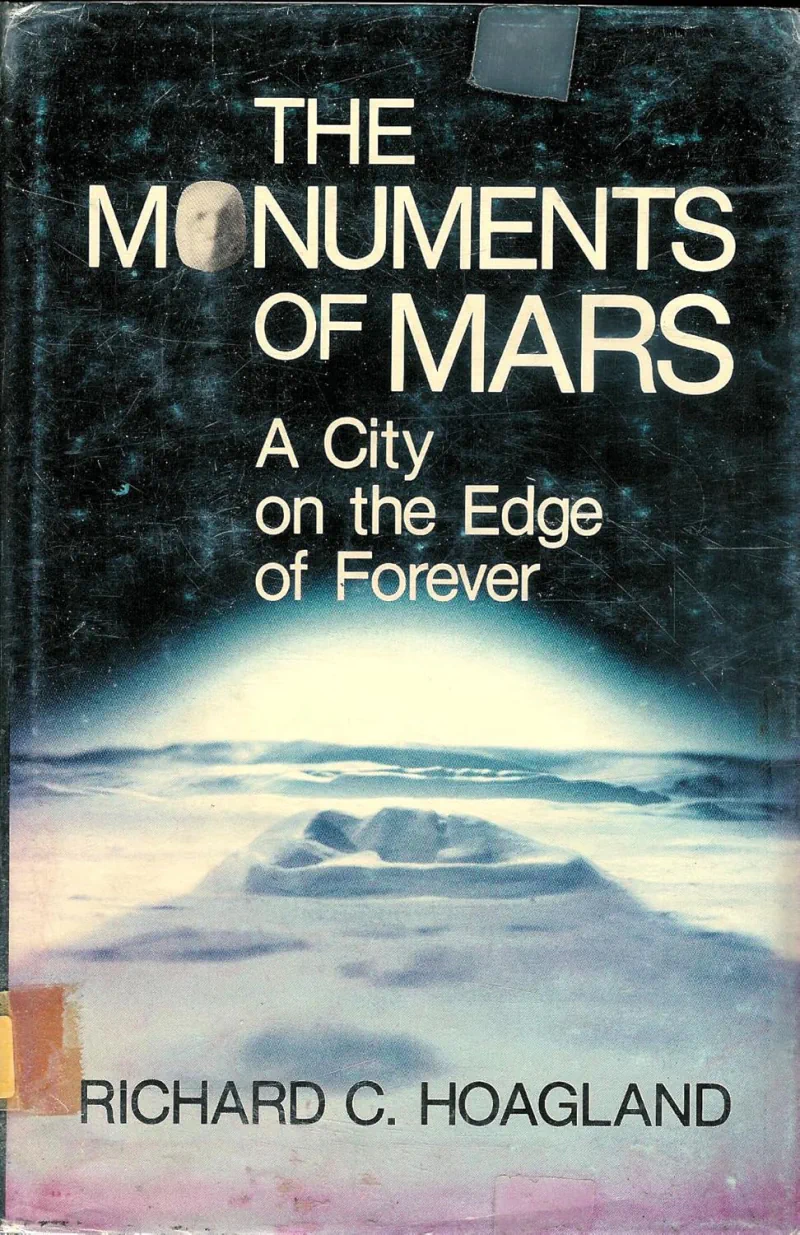
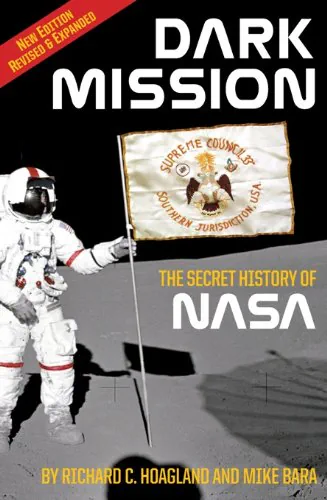
February 5, 2002: Nuclear Technology - Richard C. Hoagland | Technology and Unintended Consequences - Dr. Edward Tenner
Hoagland also provides an update on Representative Dennis Kucinich's rewritten space weapons bill, explaining that the original language banning chemtrails, mind control technologies, and particle beam weapons was removed after public attention exposed the definitions section. He reports that efforts to get Kucinich on the program for an interview remain ongoing.
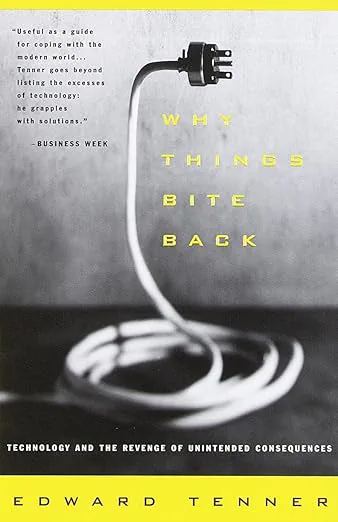
In the second half, Art welcomes Dr. Edward Tenner, author of Why Things Bite Back, to discuss how technology produces unintended consequences. Tenner explains how safety equipment often promotes riskier behavior, citing anti-lock brakes increasing accident rates and football helmets enabling more dangerous styles of play. Phone problems during the interview ironically illustrate his thesis, cutting the segment short and leading into open lines.
Key Moments
Bush quietly revives NASA's space-nuclear-reactor program: Hoagland walks Art through a buried item in Bush's just-released 2003 budget - a revitalization of NASA's nuclear electric program, which had been shelved for a decade. He distinguishes RTGs (a few watts) from real fission reactors (megawatts) and notes the host center, NASA Lewis, was the same one Congressman Wolpe caught teaching staff how to lie on FOIA requests.
Magnetic-bubble shielding for solar protons: Hoagland describes how a real reactor's surplus power lets a Mars ship deploy current-bearing coils to create a miniature terrestrial magnetic field - a 'magnetic bubble' or torus that deflects solar protons during flares. Not massive shielding, just power-hungry elegance, and the only realistic answer to deep-space radiation during the active solar cycle.
Why Hoagland is 99.99% sure something is on Mars: Asked outright by Art how confident he is that he's wrong about ancient Mars, Hoagland says if it were only him he'd hesitate, but a decade of independent anomalists - including Arthur C. Clarke, who emailed Lockheed Martin at launch saying 'go find the artifacts' - have arrived at the same conclusion. He pegs his certainty at 99.99 percent.
Why modern technology is qualitatively different - it's systems: Tenner opens his thesis: ancient peoples could be technologically brilliant - Inca cotton finer than anything woven since - but our technology is different in kind because it consists of systems with many interacting parts, which generates failure modes 'almost impossible to diagnose.'
Anti-lock brakes increase crashes; safety guards hide running blades: Tenner's two flagship examples of the revenge effect: Bohemian sawmill workers who reached into protective hoods to clear chips, not realizing the hidden blade was only stopped temporarily, and modern anti-lock brakes which in country after country produce higher crash rates because drivers compensate by going faster on slippery roads.
Books by These Guests
Selected titles from the guest bibliography. Use them as context for this appearance, not required listening.
Continue exploring
Paths out of this episode
A stronger next move anchored to this specific broadcast.