Hoagland traces the history of Martian exploration from the canal debates of the early 1900s through the Mariner and Viking missions, recounting his firsthand experience at JPL during Viking's 1976 landing. He examines Gilbert Levin's Labeled Release experiment, which detected what appeared to be biological activity in Martian soil, and new analysis by neurobiologist Joseph Miller showing circadian rhythms in that 25-year-old data.
The discussion expands into evidence of liquid water seeping from underground on Mars, with Hoagland presenting images of dark stains flowing downhill on the Martian surface. Art and Richard explore the implications for life, terraforming, and what the death of a once-vibrant world might teach us about protecting our own planet from a similar fate.
Key Moments
Mariner 4 killed the Martian legend: Hoagland describes how the 1965 Mariner 4 flyby destroyed the romantic Lowell vision of Mars by revealing a cratered, near-airless world.
Dark seeps on Mars: water or oil?: Hoagland speculates the dark fluid features on Mars could be subsurface water or even oil, citing Tommy Gold's abiogenic hydrocarbon theory.
Indigenous Martian intelligence before catastrophe: Hoagland argues Cydonia's ruins represent native Martian intelligence wiped out by a planetary catastrophe, with survivors potentially fleeing to Earth.
Hyperdimensional physics blew up a planet: Hoagland claims his hyperdimensional physics model supplies enough energy to destroy a planet, predicting Odyssey will find anomalous radioactive isotopes splattered on Mars's southern hemisphere.
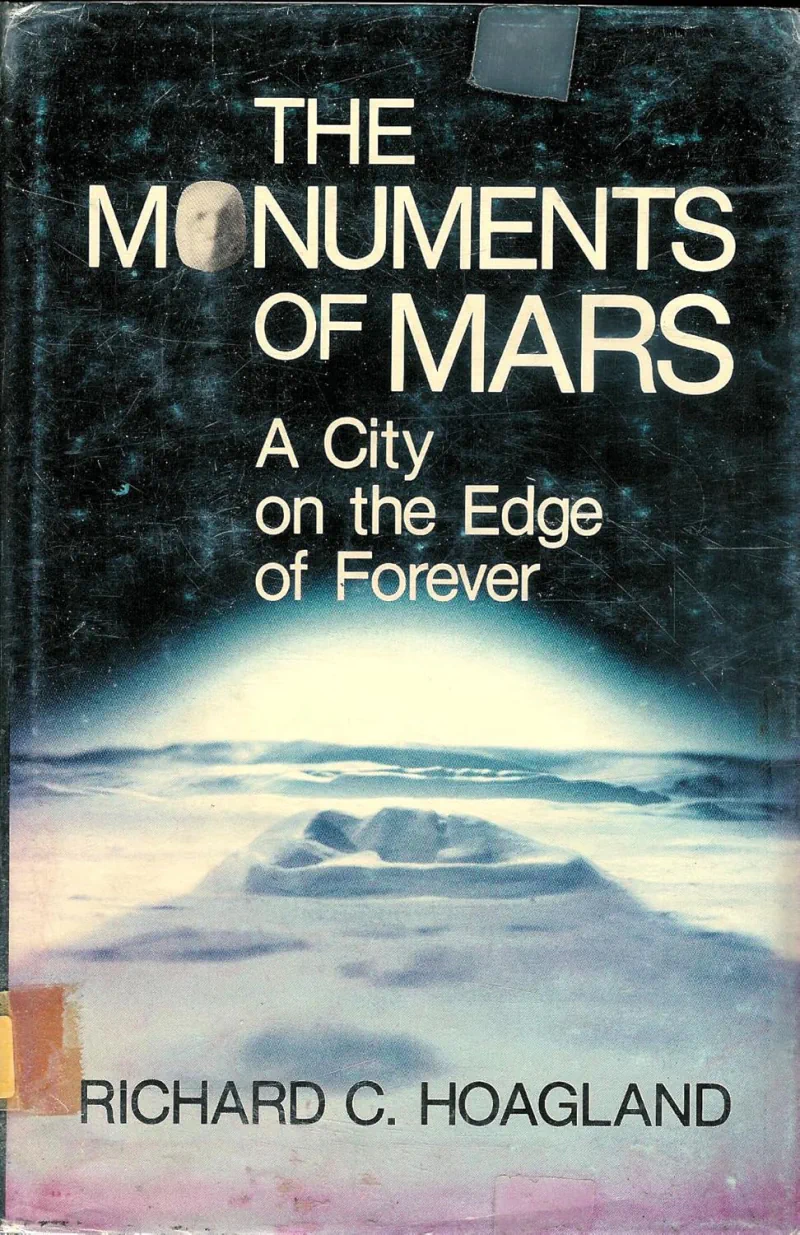
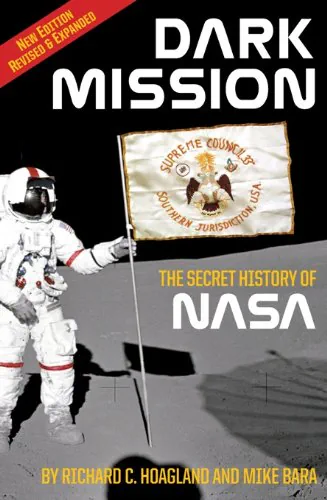
Books by This Guest
Selected titles from the guest bibliography. Use them as context for this appearance, not required listening.
Continue exploring
Paths out of this episode
A stronger next move anchored to this specific broadcast.