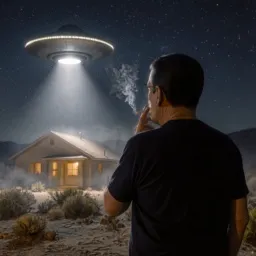
August 27, 2001: Michael Glickman | Crop Glyphs Images - Seth Shostak & Richard C. Hoagland
Shostak details the original message's contents, including representations of human DNA, a stick figure of a human, and a map of the solar system. He notes key differences in the crop glyph response: a larger-headed figure replacing the human, three offset planets instead of one, and the addition of silicon to the list of life-essential elements. Despite these intriguing modifications, Shostak remains skeptical, questioning why advanced beings would communicate through grain rather than radio.
Hoagland counters that the silicon addition reflects real biochemistry research unknown to the original message designers. He argues the glyph's precision and placement directly in front of a government observatory suggest something far beyond amateur hoaxing. The two debate whether the formation represents genuine extraterrestrial contact or an elaborate but earthly creation.
Key Moments
The Arecibo signal: 2 trillion watts effective radiated power: Seth Shostak details the technical specs of the 1974 Arecibo SETI broadcast: a million-watt transmitter producing roughly 2 trillion watts of effective radiated power, the strongest signal ever deliberately sent.
Chilbolton glyph appears as apparent reply to Arecibo: Art and Seth examine the Chilbolton crop glyph, agreeing it is unmistakably designed as a response to the 1974 Arecibo message, with a different stick figure, altered solar system, and a new structure replacing the telescope diagram.
Shostak's case against the glyph being a real ET reply: Shostak argues a civilization capable of interstellar travel would not communicate with low-bandwidth grain graffiti, and points out a radio reply would be cheaper, planet-wide, and harder to mistake.
Hoagland: silicon added to biochemistry line is meaningful: Hoagland highlights that the glyph adds silicon to the original CHNOP elements, citing Benjamin Volcani's diatom research at Scripps to argue this represents a sophisticated correction to Earth biochemistry that hoaxers wouldn't know.
Shostak: the Arecibo beam has hit zero stars: Shostak does the freshman astronomy: the Arecibo transmission's two-arcminute beam, after 27 years of travel, has not yet reached a single star within range to allow a reply, making any response statistically improbable.
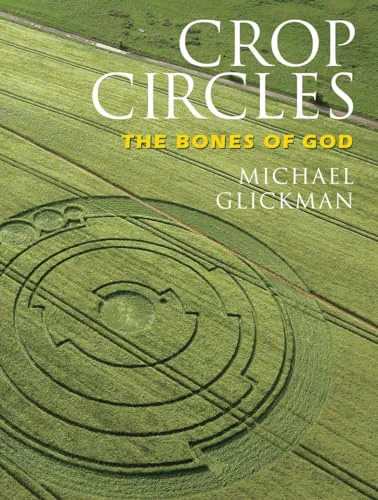
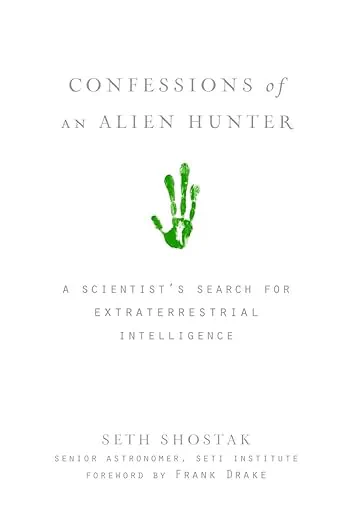
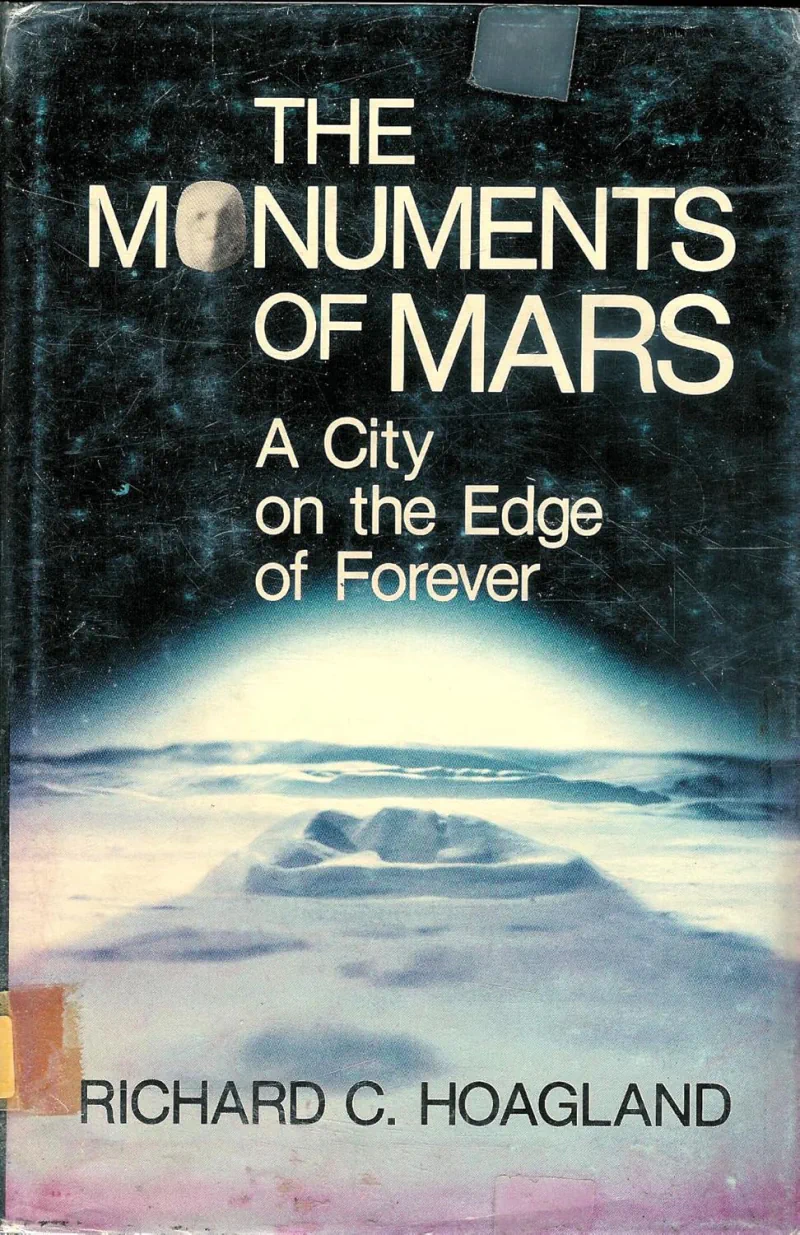
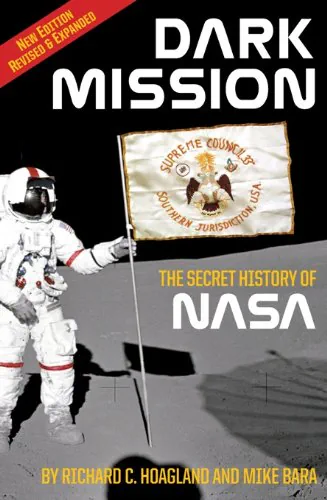
Books by These Guests
Selected titles from the guest bibliography. Use them as context for this appearance, not required listening.
Continue exploring
Paths out of this episode
A stronger next move anchored to this specific broadcast.