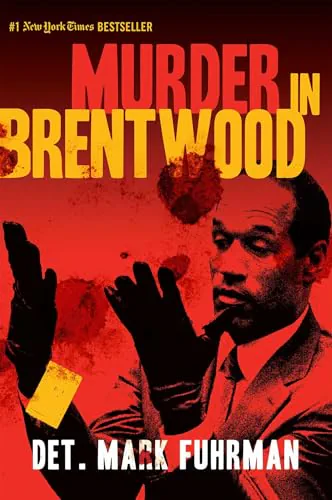
The conversation turns to the O.J. Simpson case, where Fuhrman recounts discovering key evidence at both the Bundy and Rockingham crime scenes. He explains how the case was taken from his division by Robbery-Homicide detectives Lange and Vannatter, who he says failed to collect a bloody fingerprint on the rear gate and left critical evidence behind. Fuhrman addresses the perjury charge, the controversial tapes from a screenplay project, and reveals he passed a polygraph covering every allegation against him.
Art and Fuhrman also discuss the NYPD plunger assault case, civilian concealed carry laws, the code of silence among officers, and whether TV cameras belong in courtrooms. Fuhrman argues that the Simpson trial was lost in the first 12 hours and that Judge Ito never controlled his courtroom. Callers press him on the case throughout the night.
Key Moments
First federally funded gang unit, 1977: Fuhrman recounts joining what he believes was the country's first federally funded gang unit in 1977 - and watching crack cocaine in the early '80s replace neighborhood-style gangs and Saturday Night Specials with AK-47s and disposable cash-flush armories.
Heroin made a misdemeanor in LA: Fuhrman explains that in 1970s LAPD they could pick up a heroin user and work him for search warrants and intel - but once internal possession became a misdemeanor in Los Angeles, that whole enforcement door closed.
Why detectives entered Simpson's estate: Fuhrman walks through the OJ Bronco and Rockingham scene step by step: blood on the driver's-side handle, left-handed gate operation, lights on, no answer - and the legal duty to enter to check on possible victims inside.
On throw-down guns and planted evidence: Asked a hypothetical about a partner shooting an unarmed suspect and dropping a 'throw-down' gun, Fuhrman says he'd refuse to cover - that planting evidence makes you 'part and parcel of a homicide' because it implies premeditation.
Preserved source
From the original ArtBell.com archive
The 2003 commemorative archive preserves the contemporary listing for this broadcast. Links and descriptions reflect the original site and may be outdated.
View the original program listingBooks by This Guest
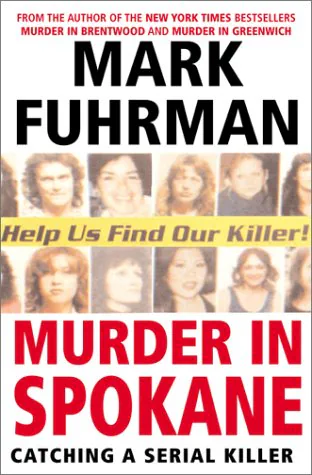
Selected titles from the guest bibliography. Use them as context for this appearance, not required listening.