
October 5, 1999: Dreams - Katia Romanoff & Lauri Loewenberg
The discussion covers the science of dreaming, including the fact that every person dreams approximately two hours per night regardless of whether they remember. The guests explain precognitive dreams and the strict criteria required to validate them, prompting Art to share his own dramatic precognitive experience in Santa Barbara where an overwhelming sensation correctly warned him someone was about to hit his parked car.
Callers share their own dreams for interpretation, including a recurring vision of a powerful tiger that kills others but only bats gently at the dreamer. The interpreters identify the tiger as a personal symbol of suppressed power and advise the caller, an artist, to paint it. The conversation also touches on out-of-body experiences, shared dreaming, and the striking difference in how frequently men and women think about sex.
Key Moments
Art challenges 'every dream has a message': Art presses Loewenberg on her blanket claim that every dream carries meaning. She argues the dreaming state is an interface between unconscious and conscious mind, and the proof is the 'oh, of course' moment when an interpretation lands for the dreamer.
Art's chased-by-the-mafia dream and its meaning: Art volunteers that he keeps having vivid dreams where he is being chased by the mafia and wakes up exhausted. Loewenberg interprets it as something he is avoiding in waking life - when an issue is repressed, it has to chase him in sleep to get attention.
Art's two-sleep schedule and the soldier's pattern: Art describes his unusual nightly routine - sleeping roughly 5am to 9am and again late afternoon. Loewenberg likens it to a soldier's sleep pattern, predicts variance in his REM cycles, and confirms he still spends about two hours dreaming per 24-hour period.
Trying not to dream is dangerous: Art asks if it's possible to suppress dreaming. The guest says the only way is to wake yourself before reaching REM - and warns it leads to daytime hallucinations, mood swings, and breakdown.
Dreams as physical-health warnings: scissors in the ear: Art recounts a dream of a doctor screwing scissors into his ear. Loewenberg layers the interpretation: take it literally first (Jung believed dreams flag real health issues, citing cancer-leg studies), then symbolically - who or what is he refusing to hear, and what needs to be cut out and reamed open in his life.
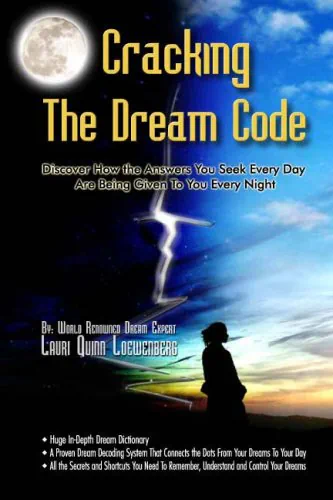
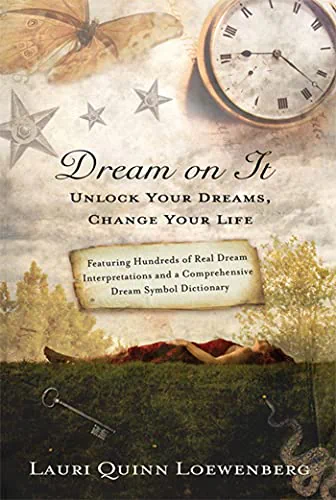
Books by This Guest
Selected titles from the guest bibliography. Use them as context for this appearance, not required listening.
Continue exploring
Paths out of this episode
A stronger next move anchored to this specific broadcast.