
Dr. Ronald Klatz, founder and president of the American Academy of Anti-Aging Medicine, joins to discuss why humans age and what can be done about it. He explains how DNA deterioration, telomere shortening, and free radical damage drive the aging process, and describes current therapies including hormone replacement, nutritional supplementation, and emerging drugs like an ACE inhibitor being tested as a potential anti-death compound. Klatz reports that 50 percent of baby boomers alive today may reach their 100th birthday.
The discussion ventures into speculative territory as Klatz describes head transplant technology tested in monkeys, the possibility of growing headless clone bodies for organ harvesting, and spinal cord repair research that could help Christopher Reeve walk again. He estimates that within 30 years, science may halt aging at around age 55, making practical immortality a theoretical possibility.
Key Moments
Aging is a 100% fatal disease: Klatz reframes aging itself as a disease, arguing that no one - not even Methuselah at 969 - has ever beaten it, and the goal of anti-aging medicine is to reverse the underlying degenerative metabolic processes.
Telomeres - the shoelace tips of DNA: Klatz explains telomeres as the plastic tips at the end of shoelaces - DNA end-caps that shorten with each cell division until cells stop reproducing well and DNA unravels.
Head transplants onto cloned bodies: Klatz speculates that within 20 years cloning could grow a fresh body and a person's head could be transplanted onto it, with the brain - which ages slowly - good for 150 to 200 years given good circulation and stem cells.
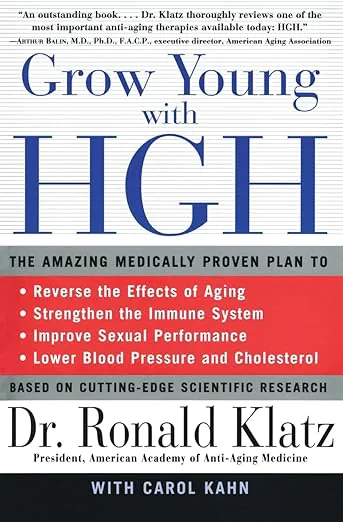
Books by This Guest
Selected titles from the guest bibliography. Use them as context for this appearance, not required listening.
Continue exploring
Paths out of this episode
A stronger next move anchored to this specific broadcast.