The discussion moves to the Large Hadron Collider's upcoming high-energy runs and the possibility of creating miniature black holes, which Tyson explains would evaporate almost instantly through Hawking radiation and pose no danger. He laments the cancellation of the superconducting supercollider in Texas, linking it to the end of the Cold War and the loss of political will to fund big science.
Tyson delivers a passionate case for reinvigorating space exploration, arguing that a bold government commitment would spark innovation across every sector of the economy. He points to declining infrastructure, slower air travel, and scientific illiteracy among voters as symptoms of a national malaise. Art and Tyson also discuss the existential threat posed by groups willing to use advanced technology for destruction, the promise and peril of nanotechnology, and why Pluto's reclassification was scientifically justified despite public outcry.
Key Moments
Caution on alien megastructures: Tyson responds to KIC 8462852 by warning that extraordinary explanations are rarely the most likely first explanation.
Twenty-two percent occlusion: Tyson agrees that the star's 22 percent dimming is incredible and genuinely mysterious.
Mini black holes evaporate: Tyson explains that any miniature black holes produced in collider experiments would evaporate essentially instantly.
The supercollider that died: Tyson laments the canceled Texas superconducting supercollider and links its fate to the end of Cold War urgency.
Mars by military memo: Tyson jokes that a leaked memo about military bases on Mars would get America there in ten months.
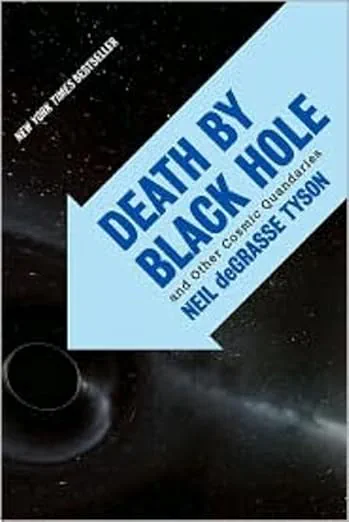
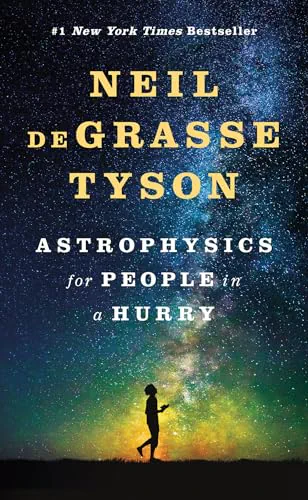
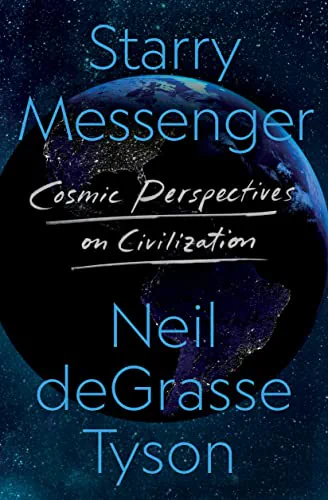
Books by This Guest
Selected titles from the guest bibliography. Use them as context for this appearance, not required listening.