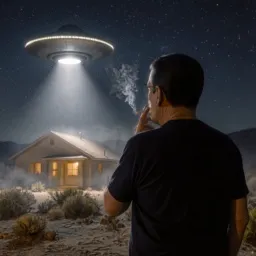
November 28, 1996: Alien Contact - Whitley Strieber, Courtney Brown, & Prudence Calabrese
Prudence Calabrese, the Farsight Institute's Director of Planetary Education and a doctoral candidate in physics, describes the photographs in detail. She explains that the object appears larger than Earth, is uniformly bright, moves independently of the comet, and cannot be matched to any known star. She confirms that the astronomer plans a press conference the following week and that colleagues across the astronomical community are quietly sharing corroborating data.
The broadcast carries the weight of careers placed on the line. Art holds photographs he cannot release because their professional quality would identify the source. The episode stands as one of the most dramatic and consequential in the Hale-Bopp saga, a moment when remote viewing claims collided with promises of hard astronomical evidence that the world was watching and waiting to see.
Key Moments
Art Bell's first-contact disclaimer: Bell opens the show with a deliberate, scripted disclaimer warning that the program contains news of first contact with unknown life forms or entities, asking disturbed listeners to turn off the radio and parents to exercise responsibility.
Tenured astronomer at top-ten university captured the object: Brown reveals that an unnamed tenured astronomer at a top-ten university has provided photographs and is in possession of radio and light transmissions from the object, and that the photographs are not being posted online because their professional quality would immediately identify the telescope and the scientist.
Object is hollow and larger than Earth: Brown reports that based on the object's gravitational signature relative to its size, the companion to Hale-Bopp is hollow and larger than the planet Earth - a constructed vehicle on a scale that swamps human technology.
Calabrese frames the corroboration standard: Prudence Calabrese, soon-to-be physics PhD, explains that after the Farsight Hale-Bopp RV sessions found a large companion, the institute insisted on independent corroboration - because if a large companion is really there, somebody somewhere must have seen it through a real telescope.
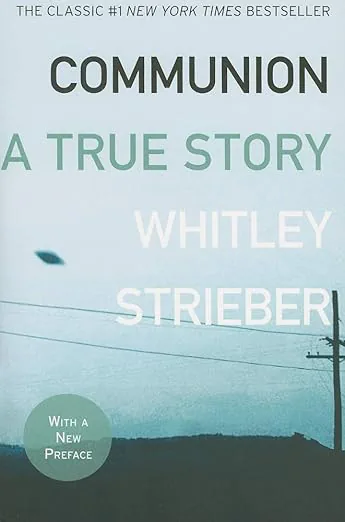
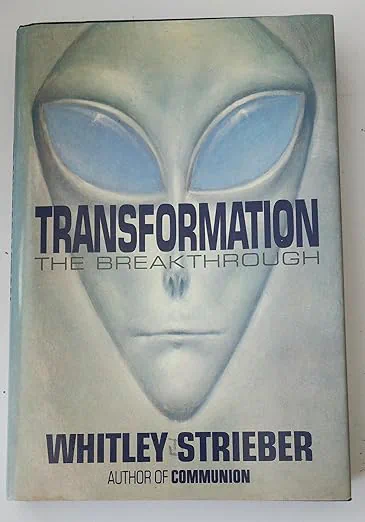
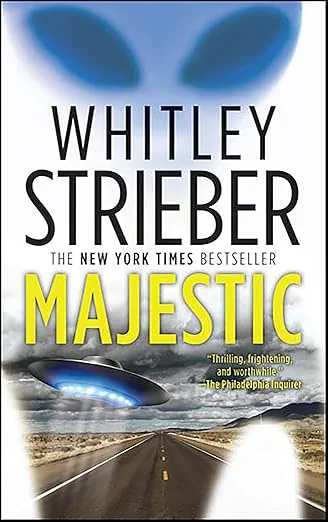
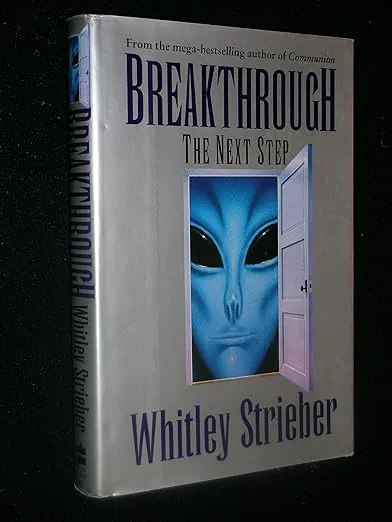
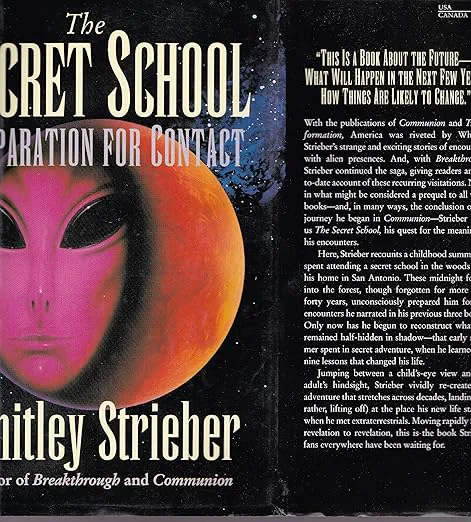
Books by This Guest
Selected titles from the guest bibliography. Use them as context for this appearance, not required listening.

Collection
More in this collection
Continue exploring
Paths out of this episode
Stronger next moves anchored to this specific broadcast.