Episode 1219 · Mar 4, 2006 · 2h 29m
March 4, 2006: Near Death Experiences - Dr. Sam Parnia
Key Moments
Open transcriptThe patient who started his researchParnia recounts speaking with a patient, then half an hour later watching the same man die during a failed resuscitation, and wondering whether the conscious being he had known was still aware.
Brain shuts down within seconds of cardiac arrestParnia explains studies show the brain ceases functioning within 2 to 20 seconds, averaging about 10, after the heart stops.
Ten to twenty percent report lucid thought while clinically deadParnia cites four published studies showing 10 to 20 percent of cardiac arrest survivors report well-structured, lucid thought processes during the time they were clinically dead.
Hidden ceiling targets to test out-of-body claimsParnia describes his own study using images visible only from the ceiling to test out-of-body reports, and explains the statistical limits that have so far prevented a clear answer.
Mind may be a separate scientific entityParnia draws his most far-reaching conclusion: if NDE accounts are real, mind and consciousness may not be solely a product of brain activity but a yet-undiscovered scientific entity.
The conversation examines key features reported across near-death experiences, including feelings of peace, tunnels of light, encounters with deceased relatives, and life reviews in which individuals judge their own actions. Dr. Parnia notes these experiences span all cultures, religions, and ages, with references dating back to Plato and a 15th-century painting by Hieronymus Bosch. He emphasizes that identifying brain regions involved in an experience does not determine whether it is real, just as mapping the neurology of love does not prove love is a hallucination.
Art and Dr. Parnia discuss the challenges of studying death scientifically, including limited funding and the rarity of out-of-body experiences near hidden visual targets. Callers share their own cardiac arrest encounters, while Art reads alarming reports on accelerating Antarctic ice loss and feedback loops in the Arctic.
Guest Library
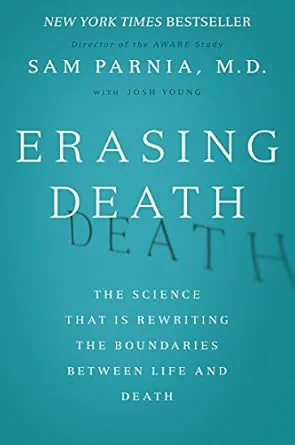
Books by This Guest
Selected titles from the guest bibliography. Use them as context for this appearance, not required listening.