
The discussion covers the dispute between Spencer and NASA scientist James Hansen, whose increasingly urgent warnings about climate change have put him at odds with the agency. Spencer explains the role of feedbacks in climate modeling, particularly how precipitation systems and water vapor may act as natural stabilizers that current models fail to capture. He also reveals that upcoming satellite data will largely resolve the long-standing discrepancy between surface thermometer readings and satellite temperature measurements.
Art opens lines to callers who share their observations of rising sea levels, unusual underground tremors, and a deep intuitive sense that a profound environmental shift is approaching. Spencer weighs in on hurricane cycles, HAARP, and a promising Australian solar chimney technology that could rival coal-fired power plants.
Key Moments
Spencer concedes half the warming may be man-made: Spencer says he's willing to admit at least half of recent warming is due to mankind, while insisting natural cycles haven't been ruled out.
Disagreeing with Hansen on climate sensitivity and tipping points: Spencer estimates Hansen's CO2 sensitivity is too high by a factor of two and rejects runaway tipping-point theories.
Wager with James Hansen: Spencer floats a $1,000 bet that 2015 will not be warmer than 2005, framing the disagreement in falsifiable terms.
Hurricanes follow a 20 to 40 year cycle: Spencer attributes the 2005 hurricane season to a known multi-decadal cycle whose upswing the National Hurricane Center had been warning about for years.
Skeptical of ice-core climate records: Spencer doesn't trust deep ice-core layers, arguing thin layers may blur annual signals with individual storms and inflate apparent time scales.
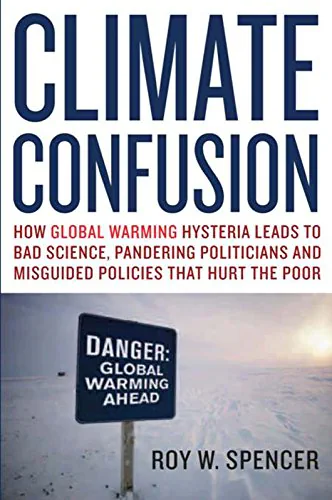
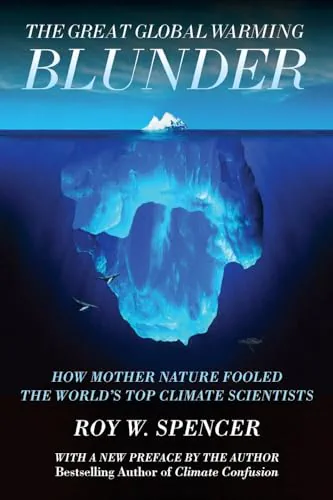
Books by This Guest
Selected titles from the guest bibliography. Use them as context for this appearance, not required listening.
Continue exploring
Paths out of this episode
A stronger next move anchored to this specific broadcast.