
June 23, 2007: Peak Oil - Matt Savinar | Space and Military Technology - Dale Brown
The conversation covers shale oil, oil sands, ethanol, and abiotic oil theory, with Savinar systematically dismantling each as a viable replacement for cheap crude. He points to Mexico's 7 percent production drop as an early warning sign and suggests the U.S. government's construction of detention camps anticipates the social collapse that will follow energy shortages in neighboring countries.
In the second half, best-selling techno-thriller author Dale Brown joins to discuss his novels and real-world military technology. A former B-52 navigator-bombardier, Brown draws on his Air Force experience to describe advanced weapons systems and space-based defense platforms. Art, a devoted fan of Brown's work, discusses the intersection of fiction and emerging defense capabilities with obvious enthusiasm.
Key Moments
10% Effective Decline and the Catastrophe Ahead: Savinar pushes back on a 3-4% geological decline rate. Once you fold in war, terrorism, and corruption in producer states, the effective global decline rate is closer to 10% - cutting global oil supply in half within seven years of peak. He says the catastrophe is almost impossible to mentally scale.
Cheney, Mexico, and the KBR Detention Camps: Savinar argues Cheney has been tracking peak oil since his Halliburton days, and ties the $400 million Kellogg Brown & Root contract for new detention camps to Mexico's 6.6-7% Pemex production crash - a coming wave of refugees as the Mexican state loses its oil-funded ability to maintain order.
Abiotic Oil Is a Fantasy: Savinar dismantles abiotic oil theory. He says he could put a thousand independent geologists on the stand for peak oil; only one prominent voice - Jerome Corsi - publicly defends abiotic oil, and Corsi has never actually had to find oil to feed his family. Discovery peaked in 1961 and majors now spend more searching than they find.
B-52s as Black-Project Test Beds: Brown describes how, as a young B-52 crewman in the late 70s and early 80s, he saw aircraft re-skinned in carbon and ceramic composite, fitted with prototype stealth, GPS, and electronically scanned radars - flying into Edwards and southern Nevada bases. Aviation Week ('Aviation Leak') often beat his classified briefings by a week.
Strikeforce: A Coup Inside Iran: Brown lays out the premise of his novel Strikeforce - General Buzhazi, a disgraced Iranian regular-army general previously cast as a U.S. nemesis, asks Patrick McLanahan and the White House to back his military coup against the Revolutionary Guards Corps. Art ties it to Hormuz: any closure of the Strait would draw a U.S. response, but Israel would beat us in by hours or days.
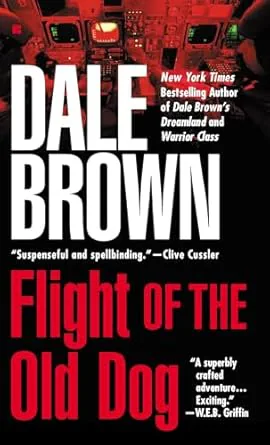
Books by These Guests
Selected titles from the guest bibliography. Use them as context for this appearance, not required listening.
Continue exploring
Paths out of this episode
A stronger next move anchored to this specific broadcast.