Hoagland reveals newly obtained internal documents showing that when Mars Observer disappeared in 1993, mission controllers waited 14 hours before announcing the loss, never rebooted the backup computer, and refused to use the spacecraft's onboard laser as a beacon. He lays out a circumstantial case that the spacecraft was secretly commandeered rather than lost. Hoagland connects this cover-up to the 1961 Brookings Institution report, which recommended withholding evidence of extraterrestrial civilization from the public.
A detailed examination of suppressed space data, institutional secrecy, and hyperdimensional physics that challenges the official history of planetary exploration.
Key Moments
July 25, 1976 Viking frame 35A72 reveals the Face on Mars at Cydonia: Hoagland recounts that on July 25, 1976, Viking orbiter frame 35A72 captured the Face on Mars in the Cydonia region, with mission scientist Toby Owen exclaiming 'Oh my God, look at this, a face on Mars.'
Cydonia complex: 1,500-foot bilaterally symmetric face among pyramids: Hoagland describes the Face as 1,500 feet high and bilaterally symmetric, set in a complex of pyramids and geometric structures laid out in a redundant mathematical plan, looking up at the orbiters.
Mars Observer vanished two days before orbit insertion: Hoagland says that when researchers pushed NASA to image Cydonia with Mars Observer, the spacecraft disappeared two days before entering orbit, and the mission was set up to lock photos away for six months with no live imagery.
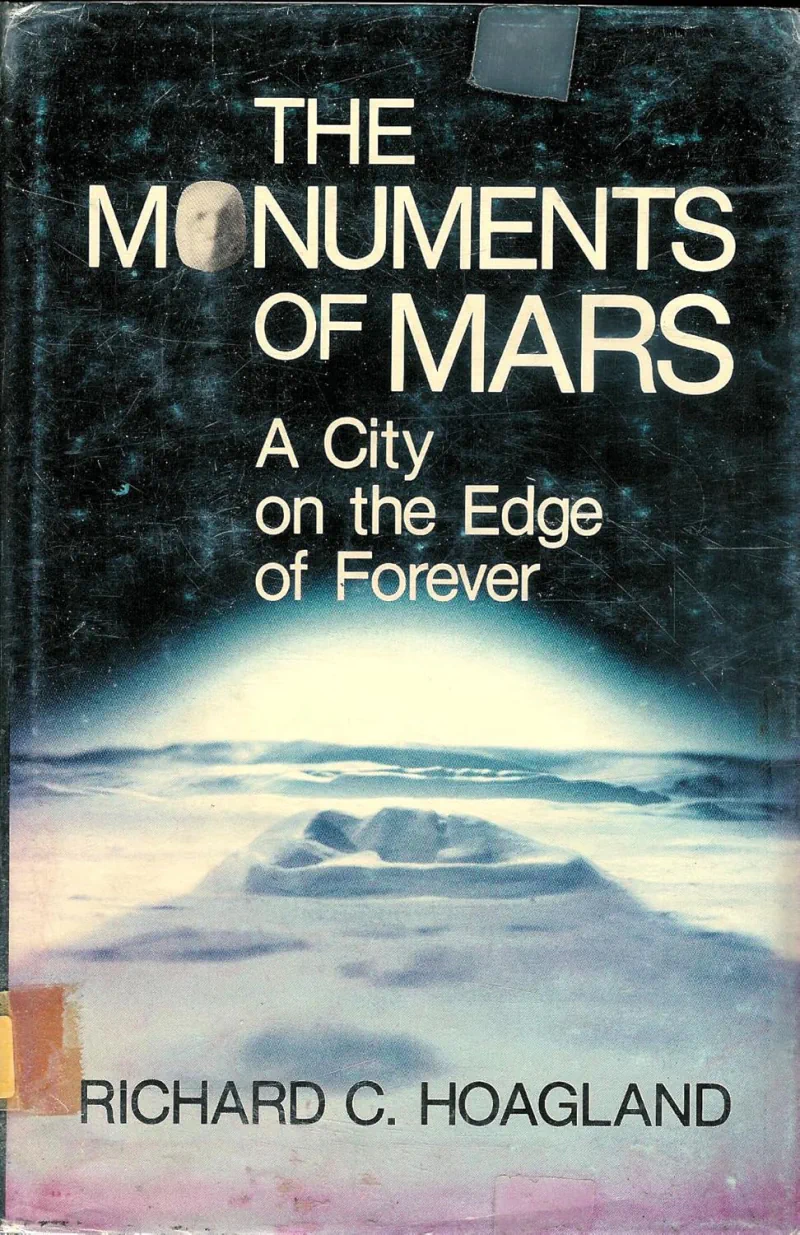
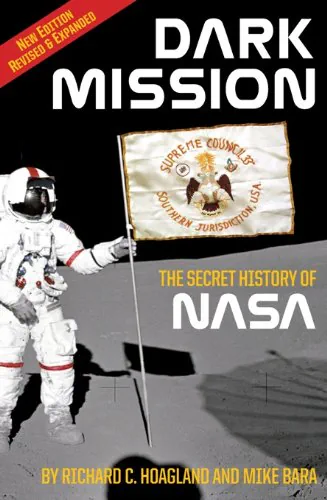
Books by This Guest
Selected titles from the guest bibliography. Use them as context for this appearance, not required listening.
Continue exploring
Paths out of this episode
A stronger next move anchored to this specific broadcast.