Faddis dismantles the Iran nuclear deal point by point, noting that military sites are exempt from inspections, enriched uranium transfers depend on Vladimir Putin's good faith, and Iran's ballistic missile program was excluded entirely. He warns that Saudi Arabia could purchase a turnkey nuclear arsenal from Pakistan in response. The conversation covers EMP vulnerability, with Faddis confirming that critical grid transformers are no longer manufactured domestically, before touching on Edward Snowden, suitcase nukes, and his own congressional campaign.
A rare episode featuring a career intelligence operator willing to speak with operational specificity about threats most officials discuss only in generalities.
Key Moments
Why ISIS grew while we weren't watching: Faddis, who led the first CIA team into Iraq in 2002, says U.S. intelligence wasn't collecting closely enough, and ISIS grew out of the Sunni–Shia fissure with cooperation from former Ba'athist secular figures.
We never reported WMDs in Iraq: Faddis says his team - the only CIA people in Iraq for nearly a year before the invasion - never sent intelligence reports to Washington saying they had found weapons of mass destruction. Art is audibly stunned.
Loopholes you can drive a missile through: Faddis attacks the 2015 Iran nuclear deal: $100 billion released, no real intent to comply, loopholes 'big enough to drive a nuclear missile through,' and an administration deluding itself that Iran can be a stabilizing force.
Bioweapons: the poor man's nuclear weapon: Asked the biggest WMD threat, Faddis answers without hesitation: a terrorist biological weapons attack, head and shoulders above anything else. He explains why bio outranks chemical, nuclear, and dirty bombs in mass-casualty potential.
Pakistan's nukes and the Saudi turnkey option: Faddis lays out the worst-case Pakistan scenarios: not a sanctioned handover, but Saudi Arabia buying a 'turnkey nuclear force' off the shelf, or insurgents grabbing a warhead from a base with insider help.
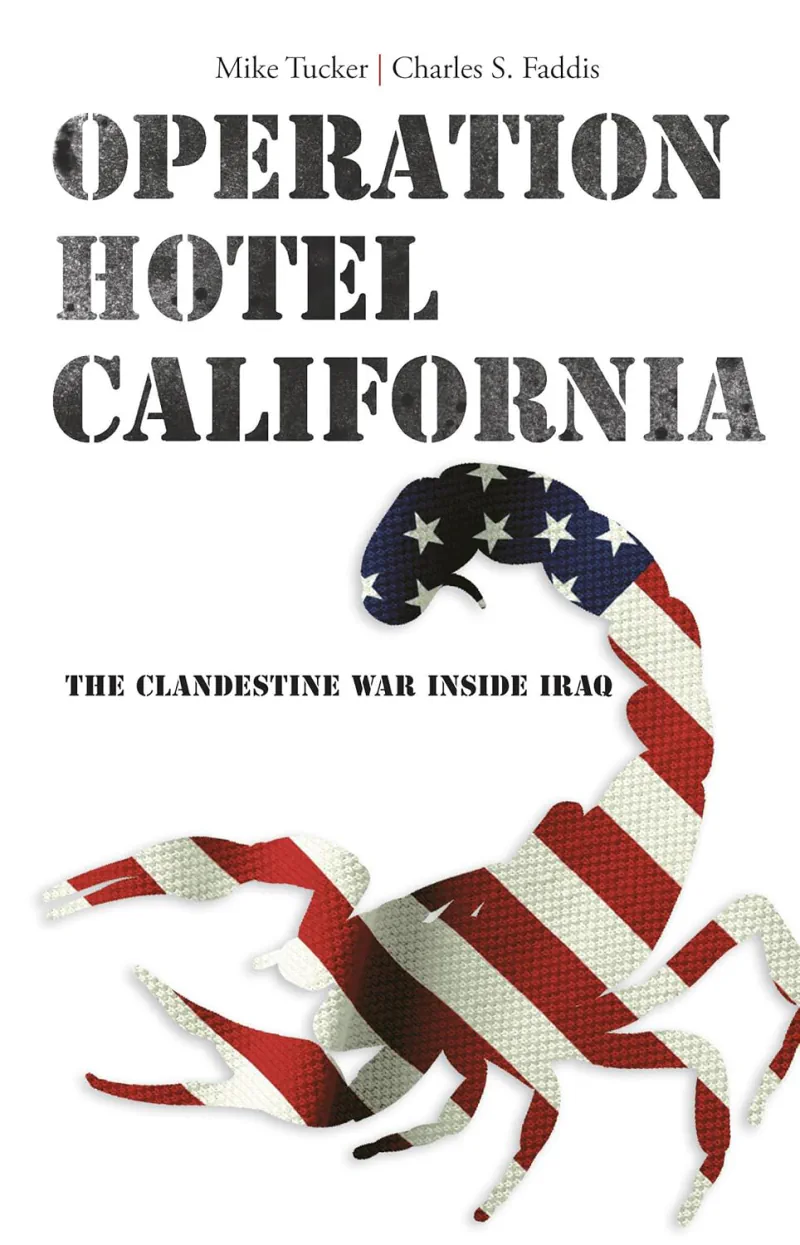
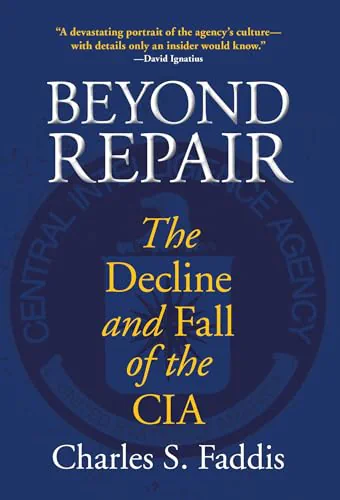
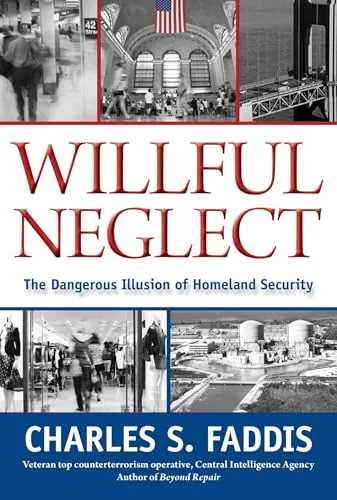
Books by This Guest
Selected titles from the guest bibliography. Use them as context for this appearance, not required listening.
Continue exploring
Paths out of this episode
A stronger next move anchored to this specific broadcast.