The conversation spans decades of fieldwork, from five climbs of the Great Pyramid to diving expeditions at Japan's submerged Yonaguni monument. Hancock describes the Ark of the Covenant as possible lost technology, citing Ethiopian guardian monks who reportedly develop cataracts and die within two years of their appointment, suggesting radiation exposure. He discusses ayahuasca's role in consciousness research, recounting how the brew ended his 24-year daily marijuana habit, and names Carl Sagan, Francis Crick, and Steve Jobs as innovators whose breakthroughs were informed by altered states of consciousness.
A landmark episode pairing Bell's long-awaited return with one of his most prolific guests and a bold new body of scientific evidence challenging mainstream archaeology.
Key Moments
The 12,800-year cataclysm hypothesis: Hancock summarizes the Younger Dryas impact theory: Earth was struck 12,800 years ago by at least eight large fragments of a giant comet, with the epicenter on the North American ice cap.
The Taurid debris stream still threatens Earth: Hancock warns the comet's debris stream - the Taurid meteor stream - remains in orbit. Astronomers calculate at least one 20-mile object still crosses Earth's orbit, with potential impact danger between now and 2040.
A species with amnesia: Hancock argues humanity is 'a species with amnesia' - that a forgotten advanced civilization, not extraterrestrials, lies behind the world's archaeological mysteries.
The Great Pyramid as consciousness instrument: Hancock proposes the Great Pyramid was designed as a gigantic instrument to elevate human consciousness. Art recounts lying in the sarcophagus and feeling something powerful; Hancock describes 'the veil between worlds thinning.'
Sovereignty over consciousness: Hancock makes his case against the war on drugs: adults should have sovereign authority over their own consciousness, and he praises Colorado's marijuana legalization as restoring adult sovereignty.
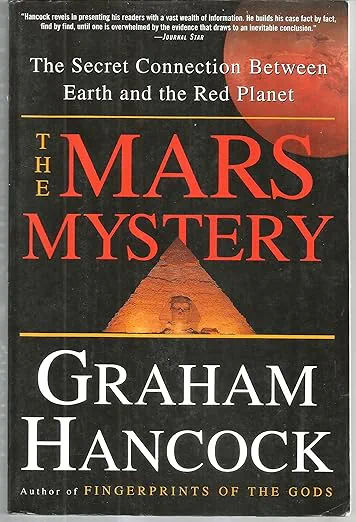
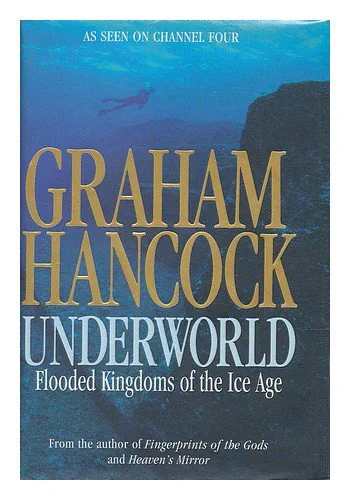
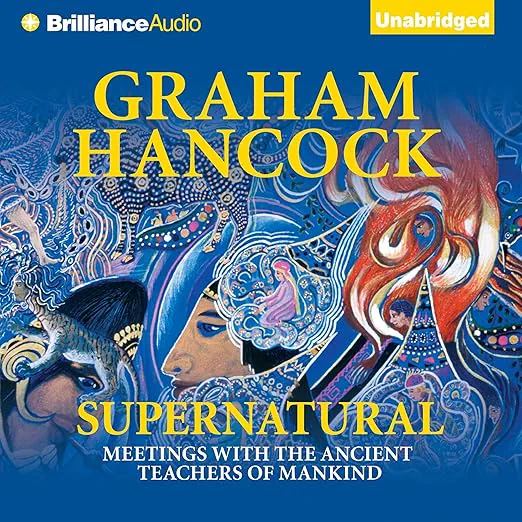
Books by This Guest
Selected titles from the guest bibliography. Use them as context for this appearance, not required listening.
Continue exploring
Paths out of this episode
A stronger next move anchored to this specific broadcast.