The conversation turns to hydrogen fuel cells after General Motors unveils a prototype hydrogen vehicle at the Detroit Auto Show. McLaughlin explains that while the technology works, current methods of producing hydrogen still rely on fossil fuels, meaning the pollution simply moves from tailpipes to power plants. Art shares his own experience powering his Nevada home entirely with wind and solar energy, acknowledging the system cost far more than it will ever save him financially.
McLaughlin and Art wrestle with the core economic dilemma facing alternative energy: wind and solar are not yet cost-competitive with fossil fuels, and persuading the current generation to subsidize technologies that will only pay off decades later is a formidable political challenge. They also discuss peak oil predictions, European leadership on renewable energy policy, and government secrecy laws that could suppress breakthrough energy discoveries.
Key Moments
If the Gulf Stream stops, Europe freezes: Bell flags a New Scientist report that the Gulf Stream is slowing because of changing salt density and temperature. McLaughlin warns the deep-water conveyor moves more equator-to-pole heat than the atmosphere itself, and a stall could give Western Europe an Alaskan climate.
GM's hydrogen car has a fuel problem: On the day GM unveiled its 'Autonomy' fuel cell skateboard chassis at Detroit, McLaughlin punctures the hype: hydrogen isn't found free, and today's fuel cells strip it from natural gas, gasoline or coal. You've just moved the tailpipe to a power plant.
Peak oil and the Persian Gulf endgame: McLaughlin tells Bell oil production will peak within 20 years, then slowly decline. The U.S. with 4% of the world's population uses 25% of the oil, and as Asia grows, the cheap easily-accessible reserves will be in the politically volatile Persian Gulf.
We will go to war for oil: McLaughlin says every president has stated the U.S. would fight to keep oil flowing, and jokes - half-seriously - that with 10% of proven reserves, Iraq is the de facto 51st state, oil sitting underground waiting for America to need it.
Suppressed-energy black box: Bell asks whether oil companies suppress free-energy machines. McLaughlin doesn't buy a grand orchestrated conspiracy, but agrees a 1950s national security secrecy law is on the books and a working black box that threatened oil could plausibly be classified.
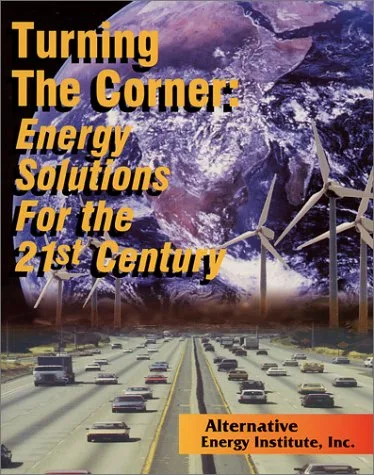
Books by This Guest
Selected titles from the guest bibliography. Use them as context for this appearance, not required listening.