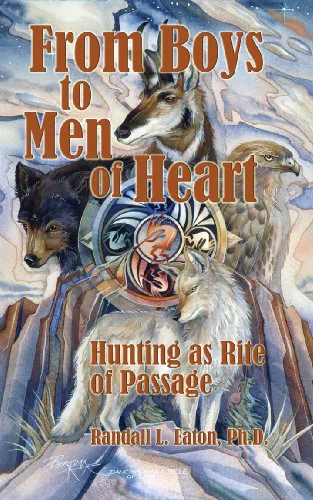
Eaton presents his theory that whale strandings are deliberate acts of self-removal, a way to protect surviving pod members from disease or predators that might feed on a dead body in the water. He connects the deaths to PCB pollution accumulating through the marine food chain, compounded by declining salmon populations that force adult males to cannibalize their own fat reserves. The discussion also covers orcas that let out their air and sank to the bottom of capture cages in the 1970s Puget Sound captures.
The second half features open lines where Art poses the provocative question of what listeners would do if they were the devil. Callers offer a range of responses, from controlling media to stealing human joy, while Art reflects on book burnings of Harry Potter in New Mexico and the psychology behind the overwhelming listener response.
Key Moments
Two stranded orcas at Dungeness Bay: Eaton describes a dead female orca and a male repeatedly trying to beach himself near Dungeness, Washington, and explains that the population is being hit by PCBs that, banned in 1972, still mimic orca hormones and wreck their endocrine systems.
Stranding as conscious decision: Eaton applies his theory of human burial practices to whales: a sick orca beaches itself to keep disease and parasites from its kin and to deny scavengers free food that would teach them to attack live whales next.
Captured orcas chose to die: Eaton recounts watching films from a Puget Sound capture diver: roughly 10 of 100 captured orcas, after letting a diver guide them by the pectoral fin into a steel cage, would simply exhale, sink to the bottom and die within seconds. Capture teams sank the bodies to hide the evidence.
Telepathic message from an orca: Bell asks how a hardcore Newtonian scientist became a believer in cross-species communication. Eaton recounts two orcas in the San Juan Islands rolling sideways to lock eyes with him from seven feet and transmitting: 'We know what you're doing, and it's okay.'
Conspiring with elephants: Eaton describes elephants in Nepal and at the Portland Zoo placing their trunks over his nose and breathing with him in synchrony for five minutes while holding eye contact, an experience he calls 'conspiring' - breathing together.
Books by This Guest
Selected titles from the guest bibliography. Use them as context for this appearance, not required listening.