The conversation examines hemp's staggering industrial potential, from paper production that could save 240 trees per cultivated acre over four years to biomass fuel that could reduce dependence on foreign oil. Conrad also addresses the medical marijuana debate head-on, detailing how California's Proposition 215 passed with 4.8 million votes despite opposition from the federal drug czar, and why the synthetic THC pill Marinol falls short of the natural plant's 60 medically active compounds.
Art challenges Conrad on the real downsides of marijuana use while highlighting a critical point about drug education. When authorities equate cannabis with hard drugs, young people who discover the lie may lose trust in all warnings, potentially opening the door to genuinely dangerous substances.
Key Moments
1937 Marijuana Tax Act - jazz clubs and Treasury: Conrad lays out the 1937 Marijuana Tax Act: hearings stressed the law would not stop farmers growing hemp or doctors prescribing cannabis. He argues it was actually engineered against industrial hemp, with closing jazz clubs as the social pretext after alcohol Prohibition's $200,000 enforcement budget needed a new target - Treasury, DuPont, timber companies, and the Bureau of Narcotics meeting on it.
1876 Centennial - Turkish hashish booth: Conrad traces popular American cannabis use to the 1876 Centennial Exposition, where a Turkish booth let attendees lay on pillows and smoke hashish from giant water pipes - a turning point that popularized the substance in U.S. culture before it spread alongside the jazz scene and Mexican-American smoking traditions.
Anslinger: 60,000 users became 60–75 million: Conrad cites Harry Anslinger's testimony pushing the 1937 ban: Anslinger justified prohibition by warning 60,000 Americans were smoking marijuana. Sixty years of prohibition later, Conrad notes the figure is 60 to 75 million Americans - making the law's effect the opposite of its claim.
DuPont nylon patent same year hemp made illegal: Conrad answers the listener fax on DuPont's role: the Federal Bureau of Narcotics convinced manufacturers to switch to nylon - patented the same year hemp was outlawed, 1937 - and to synthetics over hemp pulp for plastics. Several plastics companies that had formed around hemp testified against the bill before Congress.
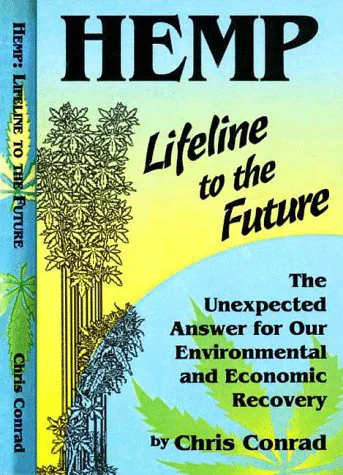
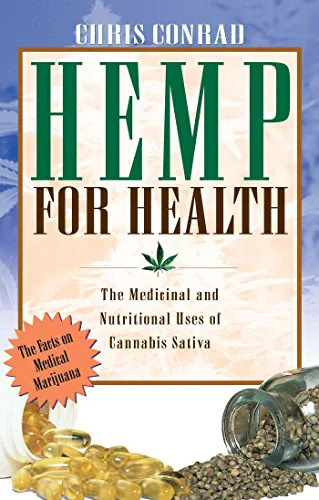
Books by This Guest
Selected titles from the guest bibliography. Use them as context for this appearance, not required listening.