The conversation turns to the contentious questions surrounding the Giza Plateau. Dr. Hawass explains why drilling in front of the Sphinx has not been permitted, citing previous Stanford Research Institute work in the same location and the need for conclusive scientific evidence before further excavation. He addresses accusations of hiding discoveries, insisting he has never blocked legitimate scientific inquiry and that no evidence of a pre-Egyptian civilization has been found at Giza.
Dr. Hawass also previews the upcoming Alaska cruise debate with Graham Hancock and Robert Bauval, promises revelations about the mysterious door found by Gantenbrink's robot inside the Great Pyramid, and outlines plans for a millennium celebration at Giza including placing a gold capstone atop the pyramid.
Key Moments
Carte blanche at Giza - but no guarantees: Bell presses Hawass: Hawass gave him signed papers and access anywhere at Giza, but if there were something Hawass did not want him to see, Bell concedes he would not have known where to look. Hawass agrees: 'Fair, of course.'
Great Pyramid to close for six months: Hawass announces, for the first time on the air, that when he returns the Egyptian president will come to the Sphinx, declare the restoration complete, open the third pyramid and the Queens of Khufu pyramids - and close the Great Pyramid for six months.
Why close it - 4,000 visitors a day: Hawass explains the closure: 4,000 people a day enter the Great Pyramid, and after six years open it needs restoration and ventilation work. He frames the closure as transparency, not concealment.
Preserved source
From the original ArtBell.com archive
The 2003 commemorative archive preserves the contemporary listing for this broadcast. Links and descriptions reflect the original site and may be outdated.
View the original program listingBooks by This Guest
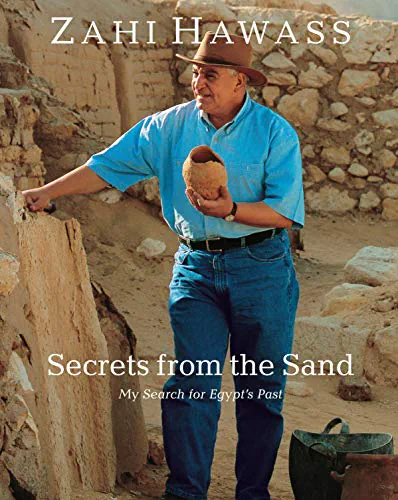
Selected titles from the guest bibliography. Use them as context for this appearance, not required listening.