
Dr. Klatz outlines five technologies that could lead to practical human immortality: genetic engineering, nanotechnology, stem cell transplants, hormone replacement therapy, and advanced cellular repair. He describes how a single gene modification in laboratory mice extended their maximum lifespan by 30 percent.
Dr. Howard raises the ethical and social implications of radically extended lifespans, questioning whether political structures, cultural attitudes, and economic systems can keep pace with the technology. The two academics engage in a spirited but respectful disagreement over whether society is prepared for an ageless future, with Dr. Klatz arguing the wealth generated by extended productive years would offset concerns about overpopulation and resource strain.
Key Moments
Half of baby boomers will see 100: Klatz says the American Academy of Anti-Aging Medicine, mirrored by the WHO, predicts that 50% of currently healthy baby boomers will live to 100 and beyond, and that vitamin and antioxidant interventions in lab animals already extend healthy lifespan by 30%, equating to 120-160 human years.
Telomeres, telomerase, and why cancer is immortal: Klatz explains telomeres as DNA end-caps that wind down with age, and identifies telomerase as the enzyme that immortalizes cancer cells by letting them keep dividing, framing aging as the loss of cellular replication capacity.
Five paths to virtual immortality: Klatz lists the five technologies he says could each independently lead to virtual human immortality: genetic engineering, nanotechnology, stem cell or microcell transplants, hormone replacement therapy, and advanced growth-factor cellular repair.
Brain transplants plus cloning equals immortality today: Klatz invokes Dr. Robert White's monkey brain transplant work and says that combining brain transplantation with cloning, the fifth item on his immortality list, could achieve real-time virtual immortality and that we could literally do it today.
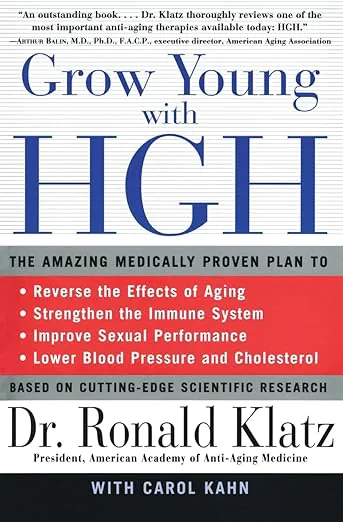
Books by This Guest
Selected titles from the guest bibliography. Use them as context for this appearance, not required listening.
Continue exploring
Paths out of this episode
A stronger next move anchored to this specific broadcast.