
February 24, 1997: Flying Sickness - Diana Fairchild | Mel's Hole Update - Mel Waters
Art Bell, still recovering from severe illness contracted on a recent flight, presses Fairchild on practical defenses. She recommends passengers request full utilization of air from the cockpit and demand portable oxygen bottles, which airlines are required to provide free of charge in flight. She also reveals that several countries spray pesticide directly on passengers before landing, a practice she blames for her own debilitating chemical sensitivity illness.
The episode concludes with a dramatic Mel's Hole update. Mel Waters returns to describe finding his property blockaded by armed military personnel claiming a plane crash, a non-uniformed man warning him the land might not be his, and a neighbor's account of witnessing a beam of solid black light shooting skyward from the uncovered hole.
Key Moments
Cabin air: Sahara-dry, low oxygen, less than US prisons: Fairchild lays out the environmental specifics: long-haul cabin humidity drops to zero - drier than the Sahara - and US airliners are mandated less oxygen per passenger than US prisons.
Air recirculation is a fuel-saving measure: Fairchild confirms a listener fax: airlines run reduced fresh-air capacity to save roughly $80/hour per jumbo jet. On a 747, one of three air packs is shut off after takeoff, and crews report packs simply not working.
Ask the crew for 'full utilization of air': Fairchild gives the actionable script: ask a flight attendant for 'full utilization of air' - the internal airline term for running the packs at capacity - and, if nothing changes, request a portable oxygen bottle (free in-flight if you say you don't feel well).
Mel barred from his own land; 'drug lab' threat: Mel Waters describes returning to find his property cordoned off by armed personnel claiming a plane crash with no smoke. A plain-clothed officer warns him it 'may not be his property' and that 'it would be very easy to find a drug lab' there - a clear seizure threat to keep him quiet.
Stonehenge-like stone columns once ringed the hole: Mel reports a coffee-shop conversation with an elderly neighbor who says that 40-50+ years ago a ring of stone columns surrounded the hole. Mel pulls up Stonehenge on his PowerBook and the man says, 'That's exactly what the thing looked like.'
Preserved source
From the original ArtBell.com archive
The 2003 commemorative archive preserves the contemporary listing for this broadcast. Links and descriptions reflect the original site and may be outdated.
View the original program listingBooks by This Guest
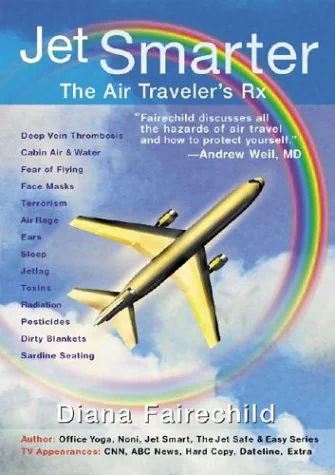
Selected titles from the guest bibliography. Use them as context for this appearance, not required listening.
Collection
More in this collection
Continue exploring
Paths out of this episode
Stronger next moves anchored to this specific broadcast.