
The conversation shifts to the Larson Ice Shelf, which leading glaciologists predict will completely disintegrate within two years. Strieber explains how the resulting freshwater dilution of the Antarctic Ocean could alter the Gulf Stream and transform northern Europe's climate into something resembling Greenland within decades. He connects this to a mysterious catastrophic event 12,000 years ago that flash-froze mammoths with food still in their mouths, suggesting Earth may be approaching a similar inflection point.
Art and Whitley engage in a memorable thought experiment about how humanity would behave given advance warning of a planet-killing asteroid, from credit card companies to Las Vegas casinos. The discussion weaves together ancient prophecy, the Fatima letter, population pressures, and the possibility that the zodiac itself may be a calendar warning of cyclical catastrophe.
Key Moments
1996 JA-1: civilization-ender that buzzed Earth four days after discovery: Strieber walks through the recent close approaches: Hyakutake and Hale-Bopp comets appearing in quick succession, Chiron passing close, a small object inside 60,000 miles in 1995, and most striking - 1996 JA-1, an asteroid large enough to end human civilization, discovered only four days before passing 270,000 miles from Earth, close enough that its orbit was perturbed by Earth's gravity.
Shoemaker-Levy 9 scenario: an Arjuna captured into a degrading Earth orbit: Strieber describes the third impact scenario, modeled on Comet Shoemaker-Levy 9's serial impacts on Jupiter: an object class called an Arjuna that follows Earth's orbit, gets captured by Earth's gravity, breaks up, and impacts in series - visible for weeks, with deflection by missiles risking making it worse.
12,000-year cycle: mammoths frozen mid-meal, an apple tree in bloom: Strieber argues something catastrophic happened roughly 12,000 years ago - exactly halfway around the zodiac from now. He cites mammoths found across Siberia and Alaska with food still in their mouths and undigested grasses in their stomachs, and an apple tree found frozen in bloom on Alaska's North Slope, suggesting a sudden June-day catastrophe.
Why a floating shelf still matters: ice sheets behind it will calve: Strieber clarifies the most-misunderstood point about the Larson collapse: because the ice is already floating, the shelf itself won't raise sea levels - but the ice shelves act as buttresses for the continental ice sheets behind them, and once the shelf goes, those sheets will start calving directly into the sea, which will raise sea levels.
Larson Ice Shelf collapse predicted within two years: Strieber names Rudy Del Valle, director of geology for the Argentinian Antarctic Institute, who has been making increasingly dire ice predictions and is now forecasting that the 4,600-square-mile Larson Ice Shelf will collapse within two years. Strieber walks through the downstream risks: salinity dilution of the Antarctic Ocean and a worst-case Gulf Stream reversal that could turn England and Norway into Greenland-like climates.
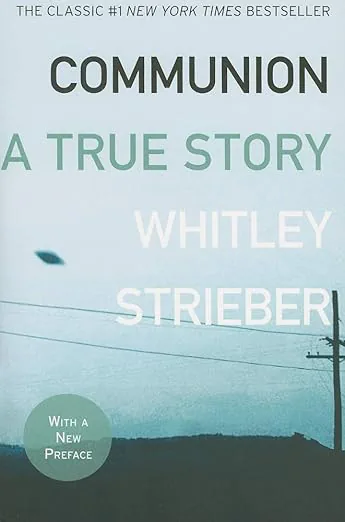
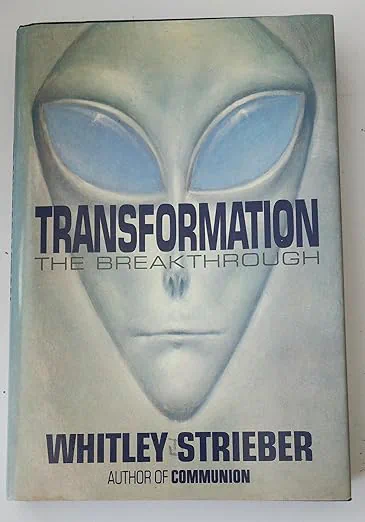
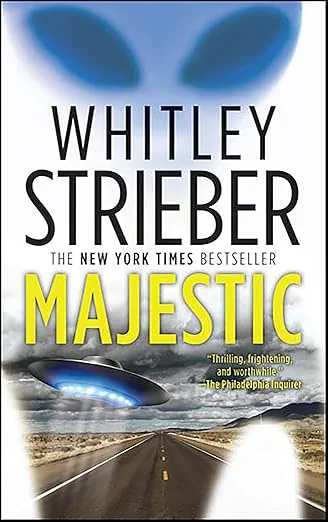
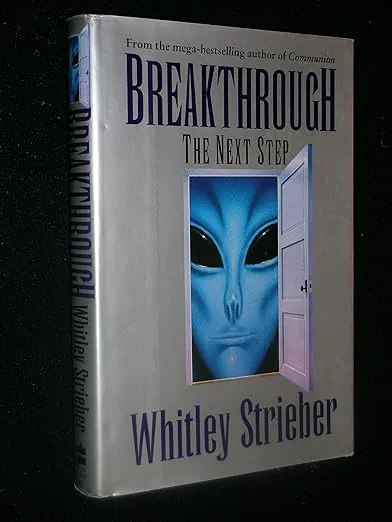
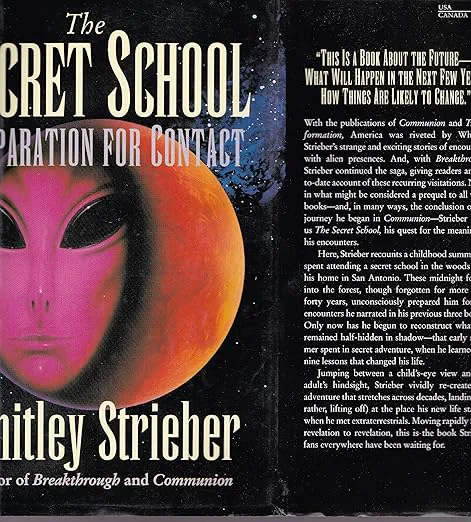
Books by This Guest
Selected titles from the guest bibliography. Use them as context for this appearance, not required listening.

Continue exploring
Paths out of this episode
A stronger next move anchored to this specific broadcast.