December 6, 1996: Hale Bopp - Whitley Strieber & Chuck Shramek
The conversation deepens as Strieber connects the Hale-Bopp mystery to decades of contact phenomena, suggesting the anomaly represents a new phase of communication aimed at the scientific community. Shramek details how his images were taken through specialized filters that should have dimmed any ordinary star, yet the companion remained consistently bright across varying exposures. Strieber proposes assembling a committee of credible amateur astronomers to independently analyze the photographic evidence.
Art Bell challenges listeners to consider why major observatories appear to be withholding high-resolution imagery while callers draw connections to Zechariah Sitchin's writings about a returning celestial body on a 3,500-year orbit. The episode captures a pivotal moment in one of late-night radio's most electrifying astronomical controversies.
Key Moments
Shramek's 161 photos and the same-size companion: Chuck Shramek tells Art and Whitley he took 161 CCD images of Hale-Bopp, with exposures ranging from one to five seconds. In every frame the companion appears the same size, while a true star would have grown with longer exposure.
NASA/JPL debunk and the green CCD filter: Shramek reacts to NASA and JPL stepping in to debunk an amateur astronomer. He notes JPL's argument that CCDs are sensitive to orange light from the supposed red star, but says he shot through a CCD filter and a green filter, so a faint orange star should have been very dim - and on re-imaging, it was.
Royal Greenwich Observatory: 'yes, there is an object there': Whitley Strieber recounts that early in the week he phoned the Royal Astronomical Observatory at Greenwich and was told quite cheerfully, 'Oh yes, we're aware of that, and we're looking into it.' He believes the institution was acknowledging the anomalous object itself, not merely the public story.
Top-ten university photo: companion overlapping the coma: Strieber and Bell describe a photograph from a top-ten university astronomer that allegedly shows the anomalous object meshed with Hale-Bopp, overlapping inside the coma - possibly within 100,000 miles of the comet's nucleus, with at least half a dozen sources said to corroborate.
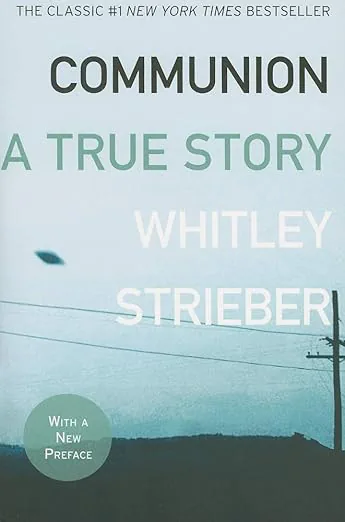
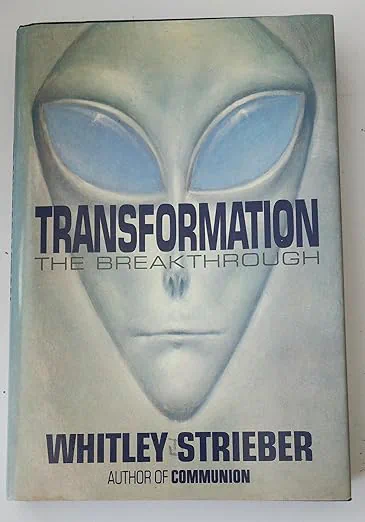
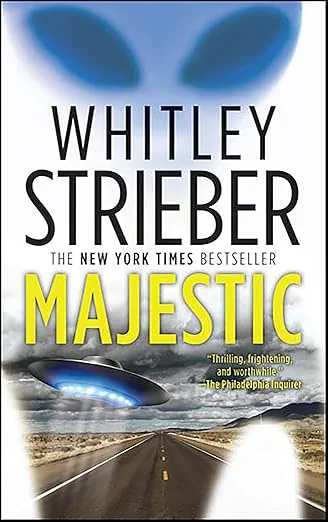
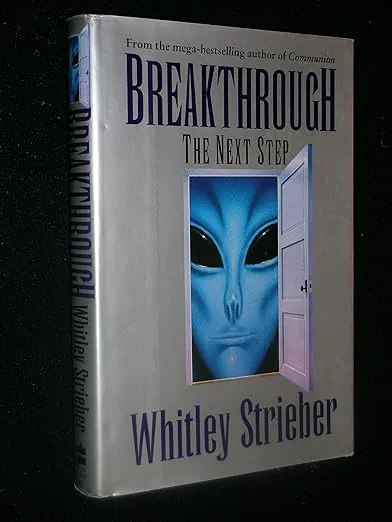
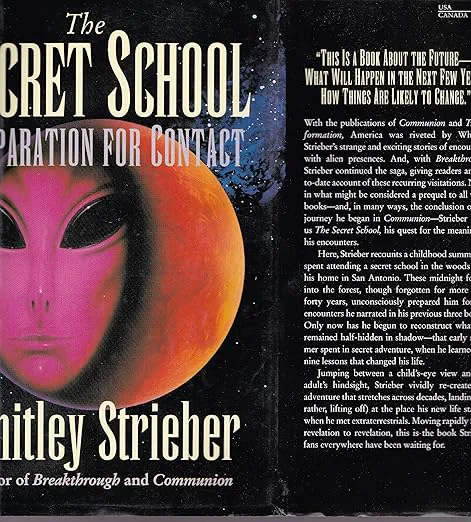
Books by This Guest
Selected titles from the guest bibliography. Use them as context for this appearance, not required listening.

Continue exploring
Paths out of this episode
A stronger next move anchored to this specific broadcast.