December 26, 2003: The Importance of Mars - Richard C. Hoagland
The conversation turns to the European Space Agency's Mars Express, now safely orbiting the Red Planet with a radar instrument capable of probing three miles beneath the surface. Hoagland shares a memo from a senior JPL engineer on the Mars Reconnaissance Orbiter project urging close attention to the European radar data, suggesting it could reveal subsurface features as dramatic as the ancient Roman roads discovered beneath the Sahara by shuttle radar.
Art and Richard debate why these potential discoveries matter to everyday people, exploring how confirmed Martian ruins could reshape humanity's understanding of its own origins. They discuss the theological and spiritual implications, referencing the Brookings Report and a conference at the University of Wisconsin where religious scholars confronted the possibility that humanity itself may have roots on Mars.
Key Moments
The Great Galactic Ghoul: Hoagland recalls a JPL blackboard from 1969 listing reasons Mariner went silent, with 'GGG' at the top - the Great Galactic Ghoul, an inside name for Mars's curse on spacecraft.
Mars Observer sabotage claim: Hoagland alleges that during Hurricane Andrew in 1992, someone dumped iron filings and glass into the Mars Observer's nose cone, and that Vaseline was later found smeared on its camera lens.
Apollo 14 'city of lights' film swap: Hoagland recounts Ken Johnston and Dr. Thornton Page seeing a shining city in Apollo 14 lunar far-side footage, only to find the film swapped overnight and the imagery gone the next day.
Equatorial water prediction confirmed: Hoagland reviews his pre-Odyssey prediction of two equatorial hydrogen/ice clusters 180 degrees apart on Mars based on dark stains, and notes NASA's data confirmed it.
MARSIS could expose buried Martian cities: Hoagland says a JPL source urged him to watch the European MARSIS ground-penetrating radar above all other Mars instruments - implying high-level willingness to finally reveal a Martian civilization.
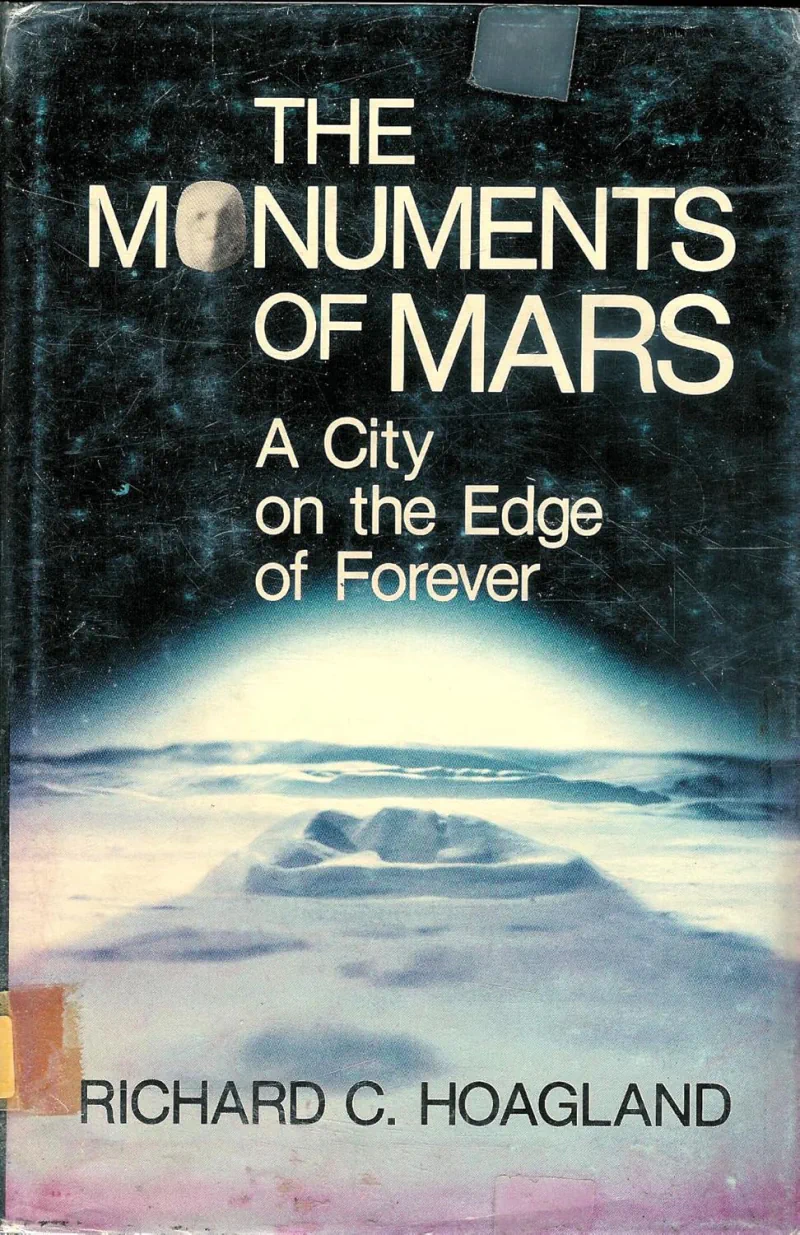
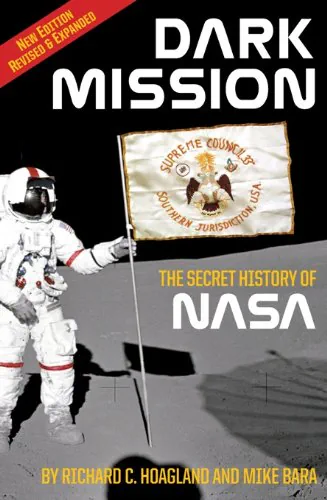
Books by This Guest
Selected titles from the guest bibliography. Use them as context for this appearance, not required listening.
Collection
More in this collection
Continue exploring
Paths out of this episode
Stronger next moves anchored to this specific broadcast.