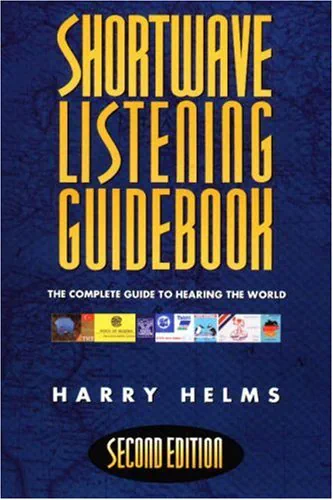
Helms shares specific frequencies where listeners can hear the Cuban transmissions and advocates for low-power broadcasting access for ordinary citizens, comparing the restrictions on airwave use to freedoms enjoyed in print and online publishing.
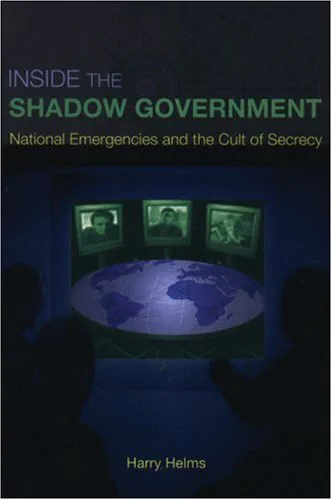
The conversation shifts to the shadow government, the subject of Helms' latest book. He outlines how presidential executive orders allow sweeping emergency powers, including indefinite detention of citizens, seizure of private property, and control of all broadcast media. Helms traces these authorities from the Japanese American internment camps through the Nixon and Clinton administrations, and proposes a constitutional amendment to establish transparent procedures for handling national emergencies.
Key Moments
How Manzanar Led to a Shadow Government Book: Helms explains the origin of his investigation: a visit to Manzanar, the WWII relocation site for Japanese Americans, led him to discover that the legal mechanisms President Roosevelt used to detain U.S. citizens without charge are still in force and have been greatly expanded over the decades.
Defining the Shadow Government: Helms gives his working definition: the shadow government is the collection of laws, court decisions, facilities, procedures, and tools by which a president, upon declaring a state of national emergency, can effectively circumvent constitutional government and rule by executive order.
Powers Unlocked by a Declared Emergency: Helms lays out what executive orders signed largely under Nixon and Clinton authorize once a national emergency is declared: indefinite detention without charges, seizure of private property, conscription to specified jobs, seizure of bank accounts, control of all radio and TV stations, and rationing of food and medical supplies.
Mount Weather as Backup Government: Helms describes Mount Weather, the FEMA training and underground facility in Virginia, as the place where essential civilian leaders, alongside military support staff, would relocate to run the government in the event of a catastrophic emergency, and confirms it has its own complete radio and TV production facilities.
Executive Order 9066 Twice Upheld: Helms notes that Roosevelt's Executive Order 9066, used to intern Japanese Americans, was twice upheld by the U.S. Supreme Court, meaning a future president could substitute any group, including Black Americans, Hispanic Americans, or Americans who voted for the other candidate, with the action already pre-approved.
Books by This Guest
Selected titles from the guest bibliography. Use them as context for this appearance, not required listening.
Continue exploring
Paths out of this episode
A stronger next move anchored to this specific broadcast.