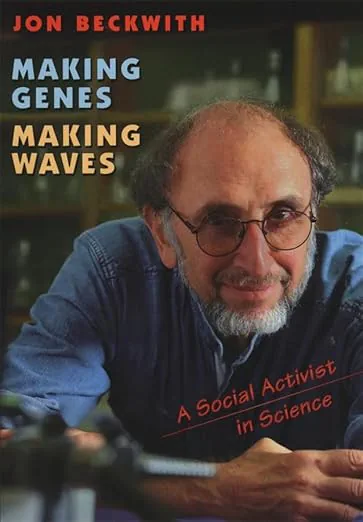
The conversation centers on the announcement by J. Craig Venter and Hamilton O. Smith that they plan to create a new single-celled life form in a laboratory dish. Beckwith expresses skepticism about the hype, noting that Venter himself admitted scientists still understand very little despite completing the human genome. He cautions that while engineered organisms may cause harm, nature has already selected organisms to be as destructive as they can be, and genetically modified creations are unlikely to outperform natural pathogens long-term.
Art and Beckwith also examine human cloning, genetic privacy, and biological weapons research. Beckwith argues that defending against biological warfare inevitably involves developing offensive capabilities and warns that the pace of genetic discovery is outrunning society's ability to establish adequate privacy protections and ethical safeguards.
Key Moments
Race-targeted bioweapons would be suicidal: Art asks whether a geneticist with Beckwith's knowledge could engineer a bioweapon targeting a specific race; Beckwith says shared DNA across populations would make any such weapon effectively suicidal.
The XYY screening fight: Beckwith recounts his early-career fight against a Harvard-affiliated study screening newborn boys for XYY chromosomes, where parents would learn their child was being tracked as potentially predisposed to violence.
The Pahrump genetic-testing van scenario: Art imagines a free genetic-testing van rolling into his town; Beckwith warns the resulting data would inevitably leak into insurance and employment records, the way HIV testing data did.
Cloning: many monsters before a perfect human: On Severino Antinori's claimed pregnant cloned woman, Beckwith warns that current cloning technology will produce many failed and damaged outcomes long before any healthy cloned human is achieved.
Reston's airborne Ebola moment: Art recalls a 60 Minutes piece on the Reston monkey outbreak where airborne transmission of an Ebola-related virus was confirmed, and asks Beckwith how close we are to that happening with humans.
Books by This Guest
Selected titles from the guest bibliography. Use them as context for this appearance, not required listening.