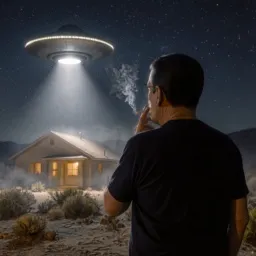
August 17, 1997: At Peace in the Light - Dannion Brinkley | Pfiesteria 'Cell from Hell' - Linda Moulton Howe
Dannion Brinkley recounts attending a conference with Dr. Zahi Hawass and Robert Bauval, describing their surprisingly cordial exchanges about ongoing discoveries at Giza. He shares his perception that Hawass knows more than he publicly reveals but believes his honesty and integrity would prevail if a major discovery were made. Dannion connects the unfolding archaeological revelations in Egypt, China, and South America to the return of what Edgar Cayce called Christ consciousness.
Art shares a personal endorsement of Brinkley, confirming that Dannion sensed a crisis in his life from thousands of miles away without being told. Dannion discusses his ongoing health struggles from being struck by lightning twice and his work with dying veterans through his Twilight Brigade hospice program.
Key Moments
Pfiesteria's missing generation - 100% sores on juvenile fish: Howe reports the Pfiesteria dinoflagellate is part-animal, part-plant, produces bleeding sores in fish, crabs, shrimp and people, and can switch to a toxic stage that kills river life and damages human lungs and short-term memory. Riverkeeper Rick Dove tells her that in mid-July 100% of juvenile menhaden in the shallow Neuse River had fatal sores; now he can't find any juveniles at all.
Three Australian athletes killed by river toxins in Israel: Howe reports that after a bridge collapsed July 14 at the opening of the Maccabiah Games in Ramat Gan, the three Australian athletes who fell into the Yarkon River died from 'immediate and severe lung inflammation' - Israel's chief coroner Yehuda Hiss said their lungs had injuries unlike anything he'd ever seen, caused by industrial waste, pesticides and partly treated sewage.
Brinkley reports back from the ARE - Hawass, Bauval, and the second pyramid legend: Brinkley describes attending the ARE conference in Virginia Beach where Dr. Zahi Hawass and Robert Bauval debated openly. He singles out Ahmed Fahad - three generations of his family worked the Giza Plateau - who recounted an old family legend, drawn out in symbols between the pyramids, of a pyramid that once faced the opposite direction. Hawass said he didn't know but would look into it.
If Hawass found it, would the world ever know?: Art asks Brinkley directly: if Zahi Hawass stumbled into the Hall of Records, would he announce it or hide it? Brinkley says it's not entirely in Hawass's hands - there's a 24-member group, the director of antiquities, and Hawass described how a German researcher who released information outside that system was permanently barred from the Giza Plateau. Within that system, Brinkley says, a discovery 'would not reach us.'
Brinkley's near-death numbers, deadpan: Brinkley restates the physical baseline of his story: struck by lightning, completely dead for 28 minutes, completely paralyzed for six days, partially paralyzed for seven months, two years to learn to walk and feed himself again. Before that, he says, if you couldn't shoot it or blow it up, it wasn't important to him.
Books by These Guests
Selected titles from the guest bibliography. Use them as context for this appearance, not required listening.
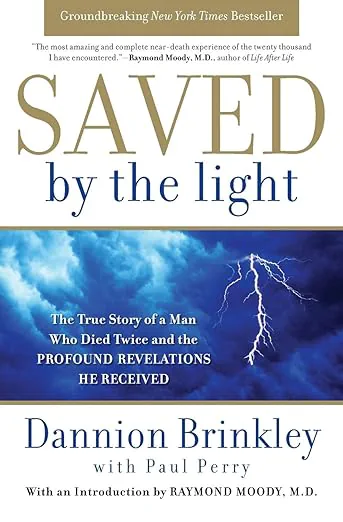
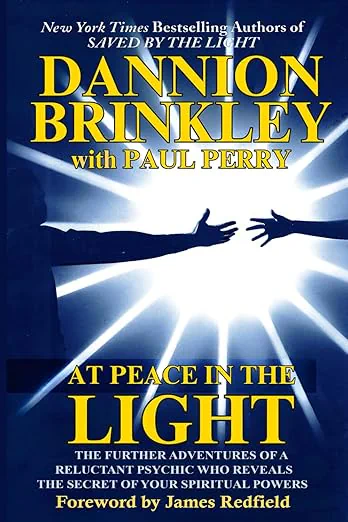
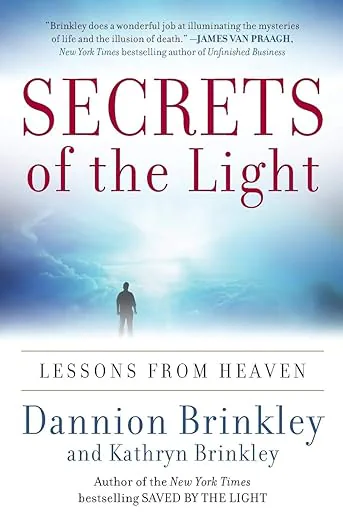
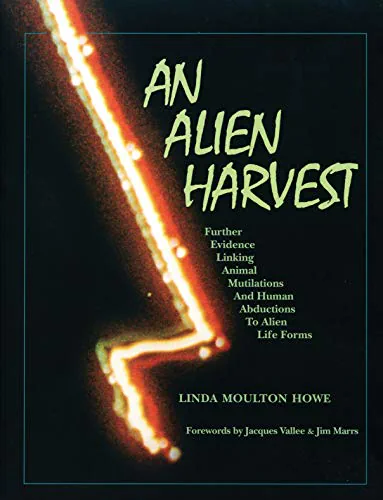
An Alien Harvest: Further Evidence Linking Animal Mutilations and Human Abductions to Alien Life Forms
1989
Continue exploring
Paths out of this episode
A stronger next move anchored to this specific broadcast.