Image processing specialist Keith Laney, who performs work for NASA's Mars Web Program, explains how he acquired the data and processed it using advanced multispectral software from Kodak's Research Systems division. He describes being guided to the pristine image by a NASA-affiliated figure using the screen name BAMF, later identified as Noel Gorlick, manager of the Themis computation center at Arizona State University. Comparisons between Laney's processed version and the publicly released version reveal significant degradation in the official data.
Art examines the images on his website and declares without reservation that image number two depicts a city. A side-by-side comparison of downtown Cairo photographed from the air and the Cydonia infrared data shows striking similarity. Corroborating data from Russia's 1989 Phobos 2 mission displays the same grid-like patterns, and celestial alignment calculations place the site's origin at roughly 300,000 years ago.
Key Moments
Two-mile-square Face surrounded by rectilinear blocks: Hoagland walks Art through the daytime IR strip image: the multicolored Face is roughly two miles square, and around it are sharp-edged geometric blocks with bright rims, all oriented north-south and east-west - not the random pattern wind erosion or fluvial geology would produce on Mars.
MOLA laser data: Cydonia basin filled with dust like Grand Canyon: Hoagland uses Dr. David Smith's MOLA laser altimetry from Mars Global Surveyor to argue Cydonia sits beneath a canyon-scale basin filled with dust. The laser profile shows stair-step structure where the photograph appears flat - Hoagland's case that the IR is seeing through the dust to architecture below.
Mile-long wall on the Fort: scale of the Cydonia city: Hoagland zeros in on the Fort: a single straight wall on its side runs about a mile, putting the rectilinear features at the scale of large city blocks. Coupled with Mars's one-third gravity, he argues this is consistent with a Martian-scale civilization building proportionally larger architecture than ours.
Architecture south of the Fort is contiguous with above-dust ruins: Art's key indicator: the rectilinear pattern south of the Fort is contiguous with the above-dust structures already known from prior Cydonia imagery. Hoagland argues no hoaxer faking an LA aerial overlay would know to respect the alignment of features documented for twenty years - making accidental or fraudulent explanations untenable.
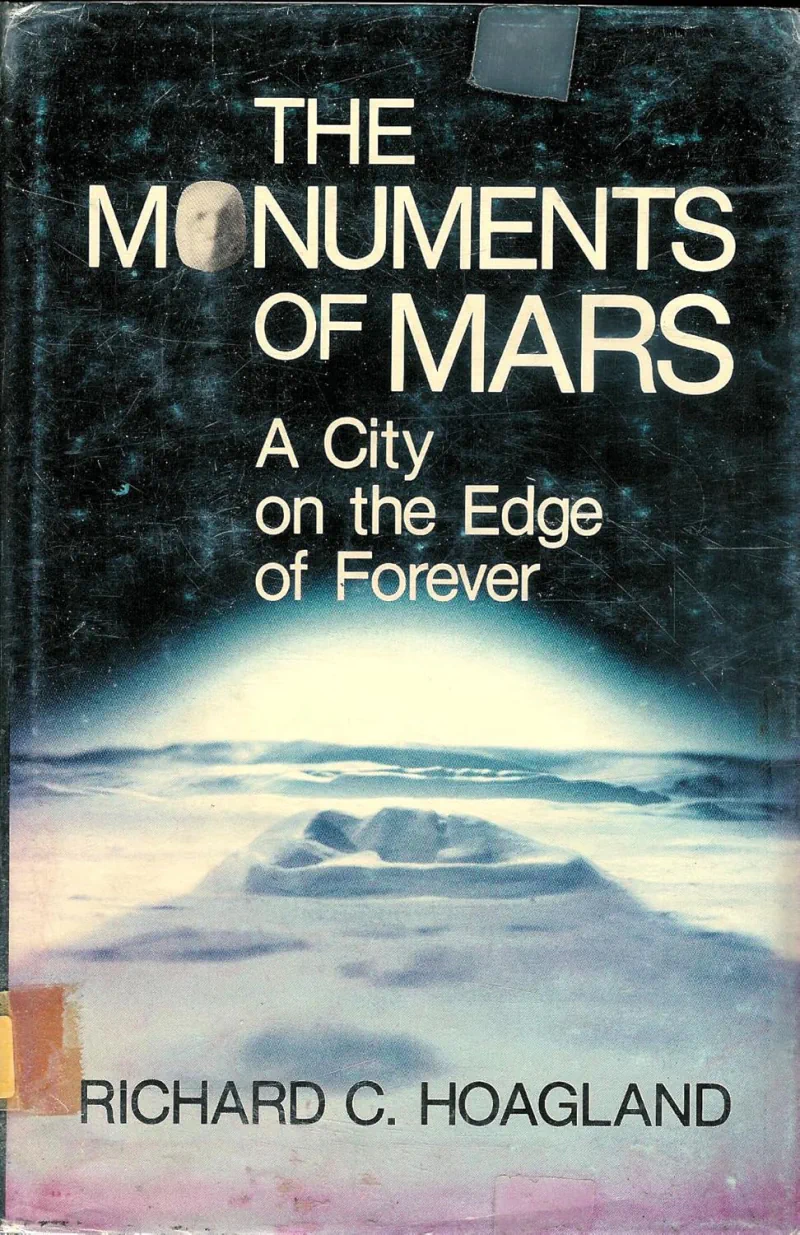
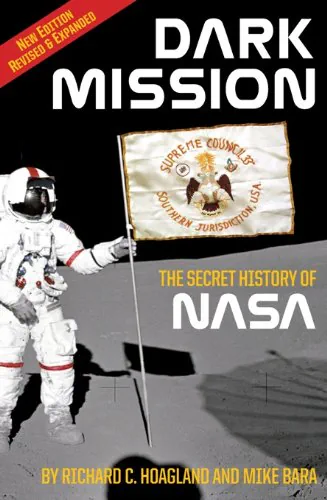
Books by This Guest
Selected titles from the guest bibliography. Use them as context for this appearance, not required listening.
Continue exploring
Paths out of this episode
A stronger next move anchored to this specific broadcast.