
April 26, 2001: Lake Vostok Magnetic Anomaly - Richard C. Hoagland
Hoagland reveals that Raytheon's general manager has confirmed two American personnel are in critical but stable condition at Christchurch Hospital in New Zealand, yet hospital staff report confusion about where the patients are located. A listener with nuclear industry experience suggests the urgent request for salt is code for radiation exposure, as iodized salt can substitute for iodine tablets to protect the thyroid.
The conversation examines a patented nuclear tunneling machine designed to melt through rock and ice, technology developed by the U.S. Atomic Energy Commission in the early 1970s. Hoagland and Art consider whether a secret drilling operation may have breached the lake and exposed workers to radiation, violating international treaties banning nuclear activity on the continent.
Key Moments
'Fill your pockets with salt' as a nuclear-emergency code: An anonymous tipster tells Hoagland that the unusual order to 'fill pockets with salt' sent to McMurdo is industry shorthand for a nuclear emergency, since iodized salt is substituted for iodine tablets when staff need to protect the thyroid against radiation overdose.
U.S. patent 3,693,731: nuclear tunneling machine: Hoagland cites a 1972 Atomic Energy Commission patent for a nuclear tunneling machine - a reactor encased in tungsten carbide that melts through rock or ice - and suggests it could explain how a black project could brute-force through two miles of Antarctic ice to Lake Vostok.
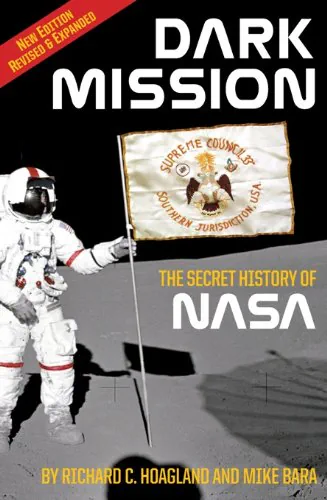
Books by This Guest
Selected titles from the guest bibliography. Use them as context for this appearance, not required listening.

Continue exploring
Paths out of this episode
A stronger next move anchored to this specific broadcast.