Art challenges Zerzan on the contradictions of using radio technology and air travel to spread an anti-technology message. Zerzan acknowledges the paradox but maintains that participation in the current system is unavoidable while working to change it. He advocates property destruction targeting corporations responsible for environmental harm, distinguishing this from violence against people, and points to the anti-globalization movement as the most promising vehicle for change. The conversation touches on the 1999 Seattle WTO protests, which Zerzan views as an inspirational moment of resistance.
The two spar over the internet, with Art arguing it represents unprecedented access to information and Zerzan countering that people have never been more isolated or culturally standardized despite supposed connectivity. Zerzan concedes he has running water, electricity, and a telephone, admitting these are compromises he makes while living within the system he opposes.
Key Moments
Art: the climate debate is over, action time has come: Reading a UN report on 40 Himalayan glacial lakes about to burst, Art declares the time for arguing whether man's hand is causing climate change is over: it's happening, and the only useful response is to modify how we live so we can stay strong through it. He brushes aside the cyclical-vs-anthropogenic debate as a distraction.
Caller's read of the Spanish report: the 24 didn't dissolve, they 'winked out': A bilingual caller reports back to Art that he read the original Spanish source on the previous night's Chile UFO disappearances - Whitley Strieber's 24 vanishing attendees - and says the original story actually describes them winking out briefly and returning, not permanently dissolving. Art still calls it a monster story.
Zerzan corresponds with the Unabomber and defends his ideas: John Zerzan tells Art he writes back and forth with Ted Kaczynski and finds the Unabomber Manifesto - Industrial Society and Its Future - persuasive: the more technified a society becomes, the less freedom and personal fulfillment its people will have. He distinguishes between Kaczynski's ideas and his bomb-mailing practice, but adds that some of the targets weren't as innocent as they were portrayed.
Technology is not neutral - it embodies the system: Art argues the internet is just a tool whose use is up to the user. Zerzan calls that 'a myth we're all supposed to swallow' - technology embodies the basic values of the social system itself, has a political component built in, and isolates rather than connects (citing Bowling Alone and the boom in one-person households).
Justifying $50M in property damage at Genoa and Seattle: Zerzan defends the Earth Liberation Front's arsons (no one killed, he notes) and the WTO/G8 protests - citing the $50 million in damage to banks and corporations at Genoa with 300,000 in the streets - as 'inspirational' acts that break the spell of conditioning. Art presses him on what happens when property damage becomes human damage; Zerzan: 'It's possible.'
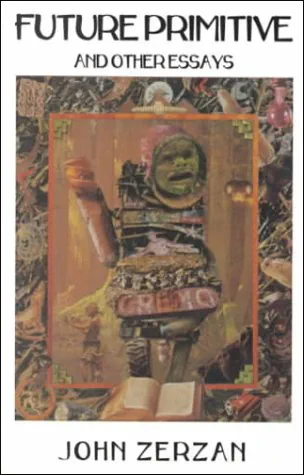
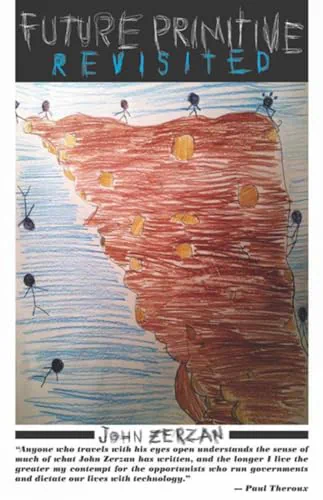
Books by This Guest
Selected titles from the guest bibliography. Use them as context for this appearance, not required listening.