September 28, 2007: Lost Civilizations and Consciousness - Graham Hancock
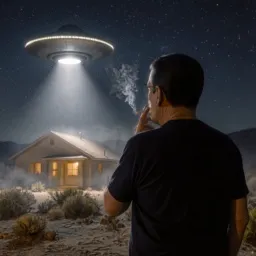
The discussion moves into the nature of consciousness itself, with Hancock sharing his research into ayahuasca and DMT experiences among indigenous cultures. He describes striking parallels between ancient cave art, shamanic visions, and modern alien abduction accounts, suggesting these encounters may involve contact with other dimensions of reality rather than hallucinations. Hancock challenges the materialist view that consciousness is merely a byproduct of brain chemistry.
Art, filling in for the evening, shares personal updates about his family's recent Alaska cruise and baby Asia before diving into the interview. The two explore how ancient monuments may encode warnings for future generations about cyclical cosmic catastrophes that could threaten modern civilization.
Key Moments
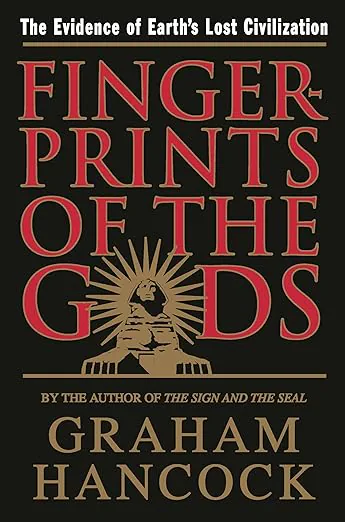
Hancock stands by the lost civilization thesis: Hancock affirms the core argument of Fingerprints of the Gods: a forgotten civilization existed before the end of the last ice age 12,500 years ago, lost evidence likely lies underwater on 10 million square miles of submerged coastal land.
Underwater stone circle off Akajima, Japan: Hancock describes a Stonehenge-scale stone circle 120 feet underwater off Akajima in the Ryukyu Islands, plus more than a dozen monuments off Yonaguni near Taiwan, all submerged for over 12,000 years and ignored by archaeologists who refuse to dive.
Comet impact 12,900 years ago: Hancock reports new mainstream evidence of a 6-mile-wide comet striking Earth 12,900 years ago, creating the Carolina Bays, melting the ice sheets, and igniting global firestorms - the cataclysm that ended the lost civilization.
The fragmented comet may return: Hancock argues fragments of the long-period comet that hit Earth 12,500 years ago may still be in orbit and could return on a 12,500-year cycle, with as little as three months of warning - or none at all - depending on direction.
Consciousness as cosmic fulcrum: Hancock argues humanity is the focus of a cosmic struggle between light and darkness, citing the Nag Hammadi Gnostic texts. He says consciousness is non-material, the brain is its vehicle, and a transformation of human consciousness could avert disaster.
Books by This Guest
Selected titles from the guest bibliography. Use them as context for this appearance, not required listening.
Collection
More in this collection
Continue exploring
Paths out of this episode
Stronger next moves anchored to this specific broadcast.