Hagberg draws on his background in military cryptography and relationships with former CIA operatives to explain Al Qaeda's structure, bin Laden's transformation from Saudi playboy to religious zealot, and the intelligence failures that left America vulnerable. He describes how bin Laden surrounded himself with engineers and professionals who could plan sophisticated operations far beyond crude truck bombs.
The conversation turns to whether killing bin Laden would dismantle the network. Hagberg argues that removing the charismatic leader would fragment the organization, comparing it to assassinating historical figures like Hitler or Patton. He also raises the chilling possibility that bin Laden may already possess a nuclear device, citing reports of offers made to Russian weapons depots.
Key Moments
Hagberg watched 9/11 unfold and recognized his own plot: Hagberg recounts his daughter calling him as the towers were hit, and realizing the attack matched the scenario he had written in Joshua's Hammer the year before -- 'that's exactly how I would write it.'
Bin Laden's fatwa and the playboy-to-zealot turn: Hagberg traces bin Laden from London playboy to Afghan war veteran to author of a fatwa ordering every Muslim to kill any American -- men, women, children -- anywhere, anytime.
Becoming what we hate: Hagberg describes catching himself dismissing Afghan civilian casualties as deserved collateral damage and realizing he was 'preaching the same tome from the same book that he's preaching from.'
Eden's Gate predicted germ warfare via crop dusters: Hagberg notes Mohamed Atta's interest in crop dusting in Belle Glade, Florida, and reveals his June 2001 novel Eden's Gate features a terrorist germ-warfare attack on Washington using agricultural aircraft.
The 12-digit number -- bin Laden's loose nuke: Discussion of Joshua's Hammer plot: bin Laden hands a CIA agent a 12-digit Russian nuclear weapon serial -- 'hey guys, I've got one' -- and Hagberg confirms the loose-nuke threat is 'absolutely possible' in real life.
Preserved source
From the original ArtBell.com archive
The 2003 commemorative archive preserves the contemporary listing for this broadcast. Links and descriptions reflect the original site and may be outdated.
View the original program listingBooks by This Guest
Selected titles from the guest bibliography. Use them as context for this appearance, not required listening.
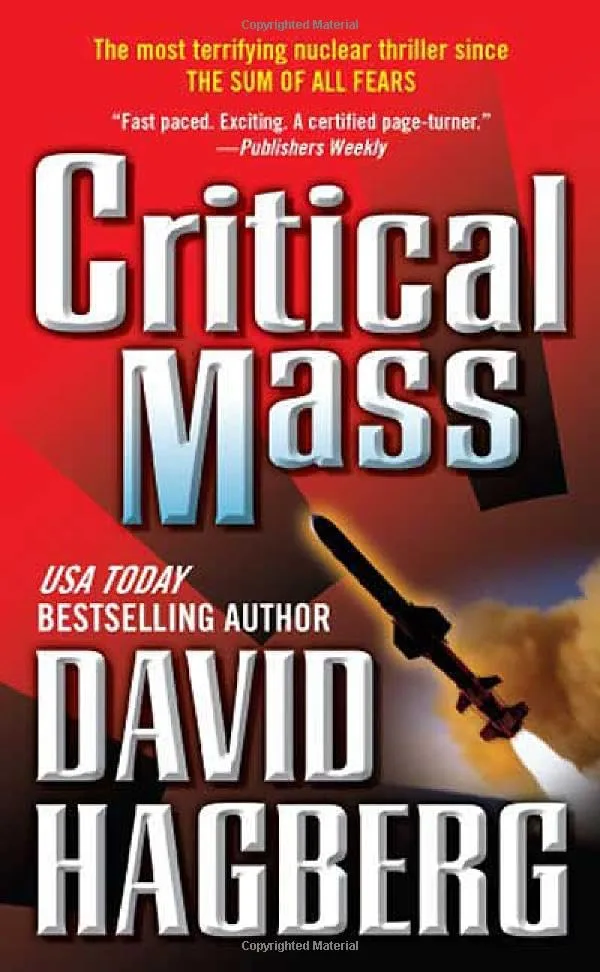
Critical Mass
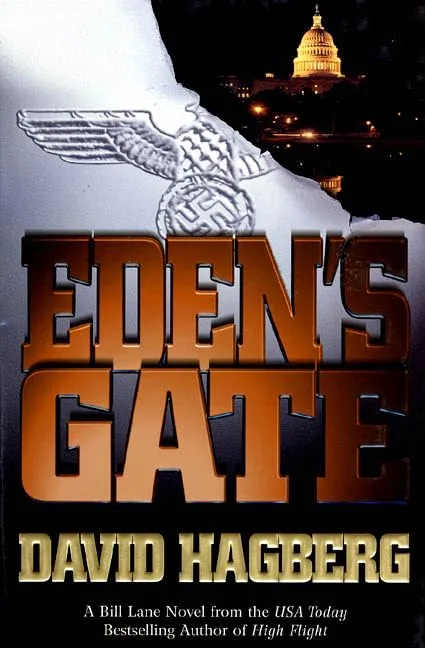
Eden's Gate
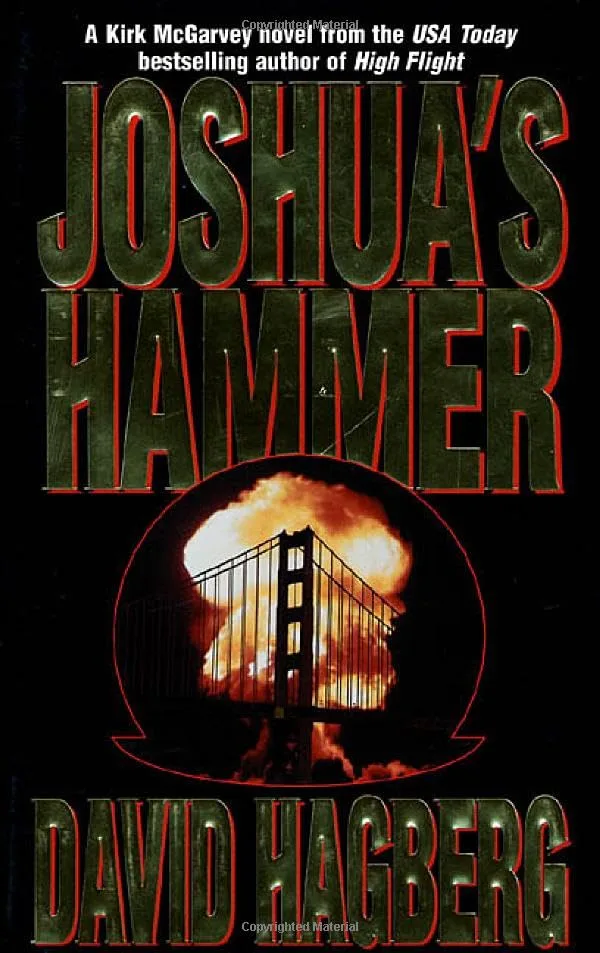
Joshua's Hammer