
September 17, 2006: Secret Societies and Ancient Thought - Philip Gardiner
The conversation shifts to snake venom as an immune-boosting substance. Gardiner reports that scientists are synthesizing beneficial proteins found in venom, and that ancient alchemical texts from India describe this practice. He connects this to the Holy Grail, arguing the original term meant mixing bowl rather than royal blood, and that the Grail legend originates from ritual mixing of venom and blood in gilded skulls.
Gardiner challenges conventional religious history, suggesting Jesus was equated with the serpent by early Gnostic Christians and that a worldwide serpent cult predates modern religions. He discusses Gnostic enlightenment as possible quantum entanglement and expresses skepticism about Solomon's Temple as a literal structure. Art opens with cell phone emergency tips and a discussion of polar bears drowning due to receding Arctic ice.
Key Moments
Inducted into the Knights of the Temple via a will: Gardiner explains how an 86-year-old man told him the Knights of the Temple never recruit but instead pass membership down by will, keeping the lodge at exactly 13 members. The old man died and Gardiner inherited a painting and the membership.
Spit on the cross, kiss Baphomet: Gardiner describes the initiation chamber, a bunker in a 10-acre garden, with a velvet curtain hiding a real, rotting goat's head called Baphomet, and rituals that include spitting on the cross and being told to kiss Baphomet's backside.
Behind the curtain, a naked woman not a goat: After being told to kiss Baphomet's backside, Gardiner steps behind the curtain and finds not the disgusting goat head but a naked woman. He says you are rewarded for going through with it.
Kundalini and the inverted skull cup: Gardiner connects the Hindu Kundalini twin serpents rising up the spine to the discovery that skulls in India were inverted, gilded, and used as cups for drinking blood mixed with venom - which he says became the Holy Grail.
Jesus the good serpent and the early Ophite Christians: Gardiner argues Jesus was equated with a serpent, called 'the good serpent' by early Gnostics, and the early Christians were Ophites - serpent worshippers - tying him to Moses's brazen serpent in the wilderness.
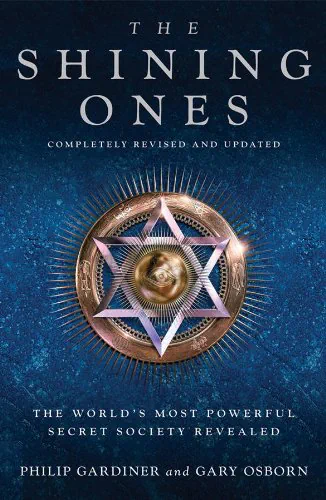
Books by This Guest
Selected titles from the guest bibliography. Use them as context for this appearance, not required listening.
Collection
More in this collection
Continue exploring
Paths out of this episode
A stronger next move anchored to this specific broadcast.