October 9, 2013: Fukushima Reactor and Yucca Mountain - Dr. Andrew Karam
The conversation covers the state of the three melted reactor cores, the risk of spent fuel pool collapse during a typhoon, and cesium-137 contamination spreading through the Pacific. Karam notes that while radioactive material has been detected in tuna as far away as the U.S. coast, current levels remain below natural background radiation. He reveals he received more radiation on his airplane flights to and from Japan than during ten days on the ground near the reactors.
The discussion then shifts to Yucca Mountain and the challenge of storing high-level nuclear waste safely for 100,000 years. Art, who lives near the proposed site and gets his water from a well, presses Karam on risks of contamination reaching the water table. Karam points to a natural nuclear reactor in Gabon, Africa, that retained its waste for two billion years as evidence that deep geologic burial can work.
Key Moments
Nobody died from Fukushima radiation: Karam, who went to Fukushima a month after the accident, says people did die - but from the evacuation and explosion injuries, not from radiation itself. The two workers who waded through pooled water got beta burns confined to about half an inch deep.
Cesium-137's two-century shadow: Karam measured iodine-131, cesium-137 and cesium-134 in Fukushima fallout. With a 30-year half-life and a ten-half-life rule of thumb to be effectively gone, Cs-137 from the accident will be detectable for roughly two centuries.
Chernobyl's deadliest fallout was fear: Karam cites WHO data: more than 100,000 women had unnecessary abortions after Chernobyl out of fear of radiation, even though their exposures were too low to harm a fetus. He argues misinformation was deadlier than the accident itself.
More radiation on the flight than on the ground: Karam wore a dosimeter during his Japan trip and picked up more radiation on the round-trip flight than during ten days on the ground in Japan, three of them in close proximity to the Fukushima reactors.
Warning the year 1,002,026: On the EPA's million-year safety standard for Yucca Mountain, Karam recounts how the DOE in the 90s tried to invent a universal warning sign - and never succeeded. A symbol meaning 'danger, stay away' today might read as 'free apples' to a future civilization.
Books by This Guest
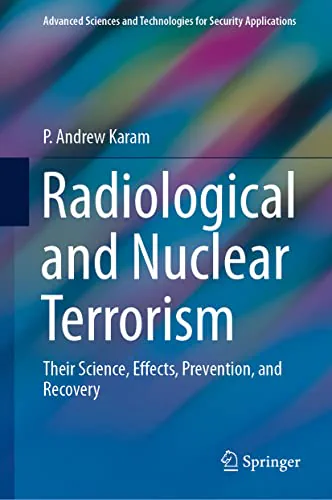
Selected titles from the guest bibliography. Use them as context for this appearance, not required listening.